


Truck diagnostics Wollongong services help identify engine, electrical, transmission, and electronic faults before they become expensive repairs. Modern trucks rely on advanced electronic control systems, making professional diagnostic testing essential for keeping commercial vehicles safe, efficient, and roadworthy.
Whether you operate a single truck or manage an entire fleet, early fault detection minimizes unexpected breakdowns, reduces repair costs, and keeps your business moving. This guide explains how truck diagnostics work, common warning signs, diagnostic procedures, benefits, limitations, and how to choose the right truck diagnostic service in Wollongong.
What Is Truck Diagnostics?
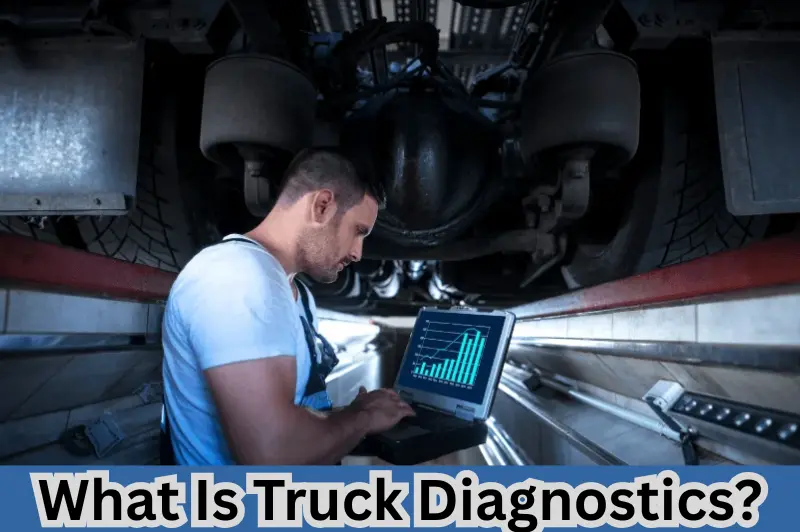
Truck diagnostics is the process of connecting specialized diagnostic equipment to a truck’s onboard computer systems to detect faults, monitor performance, and identify mechanical or electronic issues.
Modern heavy vehicles contain multiple Electronic Control Units (ECUs) that continuously monitor systems such as:
- Engine performance
- Transmission
- Braking systems
- Fuel injection
- Emission control
- ABS
- Suspension
- Air systems
- Electrical components
When a fault occurs, the ECU stores diagnostic trouble codes (DTCs), which technicians use to identify the underlying issue.
Professional diagnostic testing helps repair the actual cause instead of simply replacing parts through trial and error.
Why Truck Diagnostics Are Important
Ignoring warning lights or unusual vehicle behaviour can lead to expensive failures.
Professional truck diagnostics help:
- Detect hidden faults early
- Prevent roadside breakdowns
- Improve fuel efficiency
- Reduce repair costs
- Extend engine life
- Improve safety
- Reduce vehicle downtime
- Support preventative maintenance
For commercial operators, every hour of downtime affects productivity and profitability.
Common Signs Your Truck Needs Diagnostics
Many truck problems begin with small warning signs.
Watch for:
- Check Engine Light
- Loss of engine power
- Excessive fuel consumption
- Rough idling
- Hard starting
- Transmission shifting problems
- ABS warning light
- Excessive exhaust smoke
- Engine overheating
- Poor acceleration
- Electrical failures
- Dashboard warning messages
Even if the truck still drives normally, these symptoms often indicate developing issues that should be diagnosed promptly.
How Truck Diagnostics Work
Professional technicians use manufacturer-compatible scan tools to communicate with the truck’s onboard computers.
The typical diagnostic process includes:
Step 1: Vehicle Inspection
A technician checks visible signs of damage, leaks, wiring, and mechanical problems.
Step 2: Computer Scan
Diagnostic equipment connects through the vehicle’s diagnostic port.
Stored fault codes are retrieved from all available systems.
Step 3: Live Data Analysis
Instead of relying only on fault codes, technicians examine real-time data, including:
- Fuel pressure
- Engine temperature
- Turbo boost
- Airflow
- Injector performance
- Battery voltage
- Sensor readings
This provides a clearer picture of system performance.
Step 4: Fault Verification
Not every fault code points directly to a failed component.
Technicians perform additional testing to confirm the actual cause before recommending repairs.
Step 5: Repair Recommendations
Once the fault is confirmed, the technician explains:
- Required repairs
- Estimated repair time
- Parts required
- Maintenance recommendations
Systems Checked During Truck Diagnostics
Comprehensive diagnostics cover numerous vehicle systems.
Engine Management
Checks include:
- Fuel injection
- Turbocharger
- Sensors
- Cooling system
- Air intake
- Combustion efficiency
Transmission
Technicians inspect:
- Gear shifting
- Transmission sensors
- Solenoids
- Hydraulic pressure
Brake Systems
Diagnostic equipment checks:
- ABS
- Electronic braking
- Air brake monitoring
- Wheel speed sensors
Electrical System
Testing may include:
- Battery health
- Alternator output
- Starter operation
- Wiring faults
- ECU communication
Emission Control
Modern trucks monitor emissions through systems such as:
- EGR
- DPF
- SCR
- NOx sensors
Early diagnosis helps prevent costly emission-related repairs.
Benefits of Professional Truck Diagnostics Wollongong
Professional diagnostic services provide much more than reading fault codes.
Faster Repairs
Accurate diagnosis reduces guesswork and identifies the true source of the problem.
Lower Repair Costs
Finding issues early prevents minor faults from becoming major mechanical failures.
Improved Fuel Economy
Engine management problems often increase fuel consumption.
Correct diagnosis restores efficient performance.
Reduced Downtime
Preventative diagnostics help identify issues before they lead to roadside breakdowns.
Better Fleet Management
Fleet operators benefit from scheduled diagnostic inspections that improve vehicle reliability.
On-Site Truck Diagnostics
Many heavy vehicles cannot be easily transported after a breakdown.
Mobile truck diagnostics allow technicians to inspect vehicles directly at:
- Worksites
- Depots
- Construction sites
- Industrial facilities
- Roadside locations
On-site diagnostics reduce towing costs and help businesses resume operations faster.
Truck Diagnostics vs Traditional Inspection
| Truck Diagnostics | Traditional Inspection |
|---|---|
| Reads electronic fault codes | Visual inspection only |
| Detects hidden faults | May miss electronic issues |
| Analyses live sensor data | Limited mechanical observations |
| Faster troubleshooting | Often requires manual testing |
| More accurate repairs | Greater risk of misdiagnosis |
Both methods are valuable, and experienced technicians often combine them for the most accurate results.
Industries That Benefit From Truck Diagnostics
Professional diagnostic services support many industries, including:
- Freight transport
- Logistics
- Construction
- Mining
- Agriculture
- Waste management
- Local delivery services
- Municipal fleets
Regular diagnostics improve fleet reliability regardless of industry.
Tips to Prevent Diagnostic Problems
Vehicle owners can reduce major repairs through routine maintenance.
Recommended practices include:
- Follow scheduled servicing
- Replace filters regularly
- Monitor warning lights
- Check battery condition
- Maintain cooling systems
- Inspect wiring connections
- Use quality fuel
- Address small problems early
Preventative maintenance significantly reduces unexpected failures.
Common Mistakes Truck Owners Make
Avoid these common errors:
- Ignoring dashboard warning lights
- Delaying diagnostic testing
- Replacing parts without proper diagnosis
- Skipping scheduled maintenance
- Continuing to drive with engine faults
- Choosing repairs based only on fault codes
Professional diagnosis should always confirm the actual cause before repairs begin.
Limitations of Truck Diagnostics
Although advanced diagnostic equipment is extremely useful, it has limitations.
Diagnostic tools:
- Cannot replace physical inspections
- May require additional testing
- Cannot always identify intermittent faults immediately
- Depend on technician experience for accurate interpretation
The best results come from combining computer diagnostics with hands-on mechanical inspection.
Choosing a Reliable Truck Diagnostics Wollongong Service
When selecting a repair provider, consider:
- Experience with heavy vehicles
- Modern diagnostic equipment
- Mobile service availability
- Qualified technicians
- Transparent repair recommendations
- Fleet maintenance experience
- Fast response times
- Positive customer reputation
A trusted truck mechanic can accurately identify problems while minimizing downtime.
Internal Linking Opportunity
National Heavy Vehicle Regulator (NHVR)External Reference
National Heavy Vehicle Regulator (NHVR)Frequently Asked Questions
1. How often should a truck have diagnostic testing?
Diagnostic testing is recommended whenever warning lights appear, performance changes are noticed, or during scheduled servicing. Fleet operators often include diagnostics as part of routine preventative maintenance to identify developing problems before they become major repairs.
2. Can diagnostics detect every truck problem?
No. Diagnostics identify many electronic and sensor-related issues, but some mechanical faults require physical inspection and additional testing. Skilled technicians combine computer diagnostics with traditional inspections for the most accurate diagnosis.
3. How long does truck diagnostics usually take?
Basic diagnostic scans may take less than an hour, while complex issues involving multiple systems can require additional testing. Repair time depends on the fault identified after the diagnostic process is complete.
4. Is mobile truck diagnostics available?
Yes. Many truck repair businesses provide mobile diagnostic services, allowing technicians to inspect heavy vehicles at worksites, depots, industrial locations, or roadside breakdowns, reducing downtime and towing costs.
5. Can diagnostics improve fuel efficiency?
Yes. Diagnostic testing can identify problems affecting engine performance, fuel injection, sensors, turbochargers, or emissions systems. Correcting these faults often restores normal fuel economy and improves overall vehicle performance.
Conclusion
Professional truck diagnostics Wollongong services play a critical role in maintaining heavy vehicle reliability, safety, and efficiency. Advanced diagnostic equipment helps identify engine, transmission, electrical, and electronic faults before they lead to expensive repairs or unexpected breakdowns.
Whether you operate a single commercial truck or manage an entire fleet, regular diagnostic inspections support preventative maintenance, reduce downtime, and improve long-term operating performance. Scheduling professional diagnostics at the first sign of trouble is one of the most effective ways to keep your vehicles operating safely and efficiently.
