

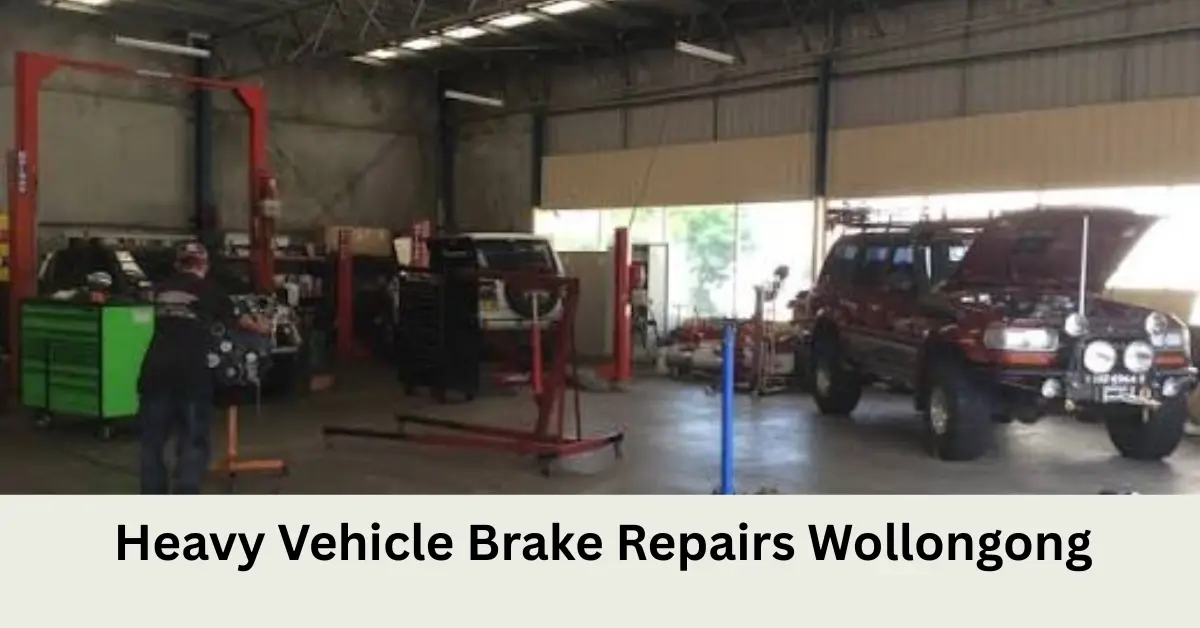
Heavy vehicle brake repairs Wollongong are essential for keeping trucks, buses, trailers, and commercial vehicles safe on the road. A properly functioning braking system helps prevent accidents, reduces downtime, and ensures compliance with Australian road safety standards.
Heavy Vehicle Brake Repairs Wollongong are essential for keeping commercial trucks safe, reliable, and compliant with road safety standards. Choosing professional Heavy Vehicle Brake Repairs Wollongong helps prevent unexpected breakdowns and costly repairs. Regular Heavy Vehicle Brake Repairs Wollongong improve braking performance, extend component life, and enhance driver safety. Businesses that invest in Heavy Vehicle Brake Repairs Wollongong can reduce downtime and maintain efficient fleet operations. Whether you operate a single truck or a large fleet, Heavy Vehicle Brake Repairs Wollongong ensure dependable performance on every journey. For long-term reliability and peace of mind, trust experienced specialists in Heavy Vehicle Brake Repairs Wollongong, because Heavy Vehicle Brake Repairs Wollongong
Heavy Vehicle Brake Repairs Wollongong are essential for keeping commercial trucks safe, reliable, and compliant with road safety standards. Choosing professional Heavy Vehicle Brake Repairs Wollongong helps prevent unexpected breakdowns and costly repairs. Regular Heavy Vehicle Brake Repairs Wollongong improve braking performance, extend component life, and enhance driver safety. Businesses that invest in Heavy Vehicle Brake Repairs Wollongong can reduce downtime and maintain efficient fleet operations. Whether you operate a single truck or a large fleet, Heavy Vehicle Brake Repairs Wollongong ensure dependable performance on every journey. For long-term reliability and peace of mind, trust experienced specialists in Heavy Vehicle Brake Repairs Wollongong, because Heavy Vehicle Brake Repairs Wollongong
Whether you operate a transport business, manage a fleet, or own a single heavy vehicle, understanding how brake systems work and when they require professional attention can save time, money, and lives.
This guide explains everything you need to know about heavy vehicle brake repairs Wollongong, including common brake problems, repair procedures, maintenance tips, warning signs, benefits of regular servicing, and answers to frequently asked questions.
What Are Heavy Vehicle Brake Repairs?
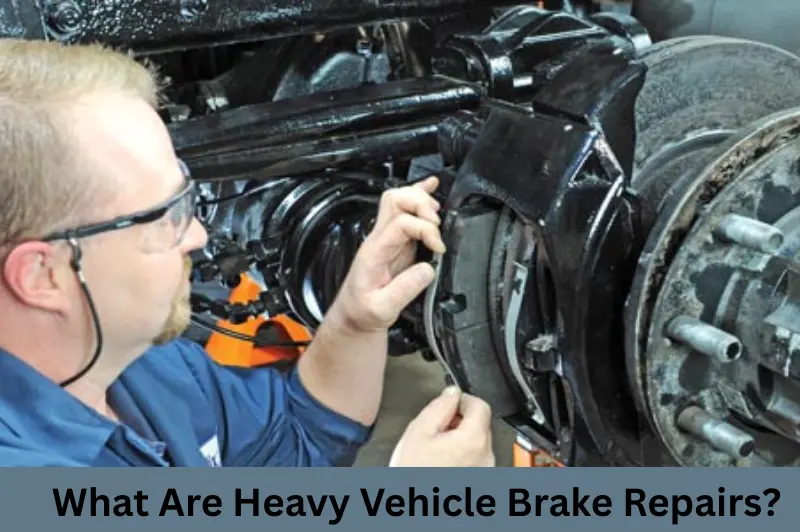
Heavy vehicle brake repairs involve inspecting, diagnosing, repairing, and replacing components of braking systems used in commercial vehicles.
Unlike passenger cars, heavy vehicles rely on complex braking systems that must safely stop vehicles carrying significant loads.
Professional brake repairs may include:
- Brake pad replacement
- Brake shoe replacement
- Brake drum resurfacing
- Brake disc replacement
- Air brake repairs
- Hydraulic brake servicing
- Brake chamber replacement
- Brake line repairs
- ABS diagnostics
- Brake adjustment
A qualified technician ensures every brake component functions correctly before the vehicle returns to service.
Why Brake Repairs Matter for Heavy Vehicles
Heavy vehicles travel long distances while carrying substantial loads. Their braking systems experience far more stress than those in ordinary cars.
Proper brake repairs help:
- Improve road safety
- Reduce stopping distance
- Protect drivers and cargo
- Prevent expensive breakdowns
- Extend brake component life
- Improve fleet reliability
- Reduce unexpected repair costs
- Support compliance with transport regulations
Ignoring brake problems can lead to unsafe driving conditions and costly mechanical failures.
Common Signs Your Heavy Vehicle Needs Brake Repairs
Recognising early warning signs helps prevent more serious damage.
Unusual Noises
Grinding, squealing, or scraping sounds usually indicate worn brake pads or damaged brake components.
Reduced Braking Performance
If stopping distances increase or the brakes feel weak, immediate inspection is recommended.
Air Pressure Problems
For air brake systems, pressure loss or slow air build-up may indicate leaks or faulty valves.
Brake Warning Lights
Modern heavy vehicles include electronic monitoring systems that detect brake-related faults.
Vibrations During Braking
Steering wheel or pedal vibration often suggests uneven brake wear or damaged discs.
Pulling to One Side
Uneven braking force can indicate seized calipers, worn components, or brake imbalance.
Components Commonly Repaired
Heavy vehicle braking systems consist of multiple parts working together.
Brake Pads
Brake pads wear naturally over time and require periodic replacement.
Brake Discs
Damaged or warped brake discs reduce braking efficiency.
Brake Drums
Many commercial vehicles continue using drum brakes on rear axles.
Brake Shoes
Brake shoes apply pressure inside brake drums.
Air Compressors
Air brake systems rely on compressors to maintain pressure.
Brake Chambers
Brake chambers convert compressed air into braking force.
Slack Adjusters
Slack adjusters maintain correct brake clearance.
ABS Sensors
Anti-lock braking systems rely on sensors for safe braking under difficult conditions.
Heavy Vehicle Brake Repair Process
Professional workshops typically follow a structured repair process.
Step 1: Inspection
Technicians inspect the complete braking system for wear and damage.
Step 2: Diagnosis
Electronic diagnostic equipment identifies warning codes and system faults.
Step 3: Component Testing
Brake pressure, air lines, hydraulic systems, and mechanical parts are tested.
Step 4: Repair or Replacement
Damaged components are repaired or replaced using quality parts.
Step 5: Brake Adjustment
Brake balance and adjustment ensure equal braking force.
Step 6: Final Safety Testing
Technicians road-test or workshop-test the vehicle before returning it to service.
Common Causes of Brake Failure
Understanding common causes helps reduce repair costs.
Excessive Wear
Brake pads and shoes naturally wear with use.
Overloaded Vehicles
Carrying excessive loads places additional stress on the braking system.
Poor Maintenance
Ignoring scheduled servicing allows small problems to become expensive repairs.
Air Leaks
Air brake systems require sealed lines and proper pressure.
Contaminated Brake Components
Oil, grease, or water contamination reduces braking performance.
Heat Damage
Frequent heavy braking generates heat that can damage brake components.
Preventive Brake Maintenance Tips
Routine maintenance significantly reduces repair costs.
Recommended practices include:
- Inspect brakes regularly
- Replace worn brake pads early
- Check air pressure daily
- Monitor brake fluid where applicable
- Lubricate approved components
- Replace damaged hoses
- Schedule professional inspections
- Keep maintenance records
Preventive servicing reduces unexpected downtime.
Heavy Vehicle Brake Repairs vs Preventive Maintenance
| Brake Repairs | Preventive Maintenance |
|---|---|
| Fixes existing problems | Prevents future failures |
| Higher repair costs | Lower long-term costs |
| May require downtime | Planned servicing |
| Emergency situations | Scheduled inspections |
| Component replacement | Component preservation |
Preventive maintenance is usually more cost-effective than emergency repairs.
Benefits of Professional Heavy Vehicle Brake Repairs
Choosing experienced technicians offers several advantages.
Improved Safety
Correctly repaired brakes reduce accident risk.
Better Performance
Vehicles stop more smoothly and consistently.
Longer Component Life
Quality repairs reduce wear on surrounding components.
Reduced Downtime
Professional repairs minimise unexpected breakdowns.
Regulatory Compliance
Proper servicing helps maintain compliance with transport inspection requirements.
Common Mistakes to Avoid
Many costly brake failures result from avoidable mistakes.
Avoid:
- Ignoring warning lights
- Delaying brake inspections
- Using poor-quality replacement parts
- Skipping scheduled servicing
- Overloading vehicles
- Continuing to drive with brake noise
- Ignoring air pressure warnings
Small issues often become expensive repairs when neglected.
Choosing the Right Heavy Vehicle Brake Repair Workshop
When selecting a repair provider, look for:
- Experienced heavy vehicle mechanics
- Modern diagnostic equipment
- Quality replacement parts
- Transparent pricing
- Fleet servicing experience
- Fast turnaround times
- Strong customer reviews
- Warranty on repairs
Professional workshops also provide maintenance recommendations after repairs.
Brake Safety Tips for Fleet Operators
Fleet managers can reduce repair costs through proactive maintenance.
Helpful practices include:
- Train drivers to recognise brake warning signs.
- Conduct pre-trip inspections.
- Keep maintenance records.
- Schedule periodic brake testing.
- Replace worn parts before failure.
- Monitor air brake pressure daily.
- Investigate unusual brake behaviour immediately.
A proactive approach improves reliability and reduces operating costs.
Internal Linking Opportunity
Keeping your heavy vehicle in excellent condition requires more than just brake maintenance. Explore our related services, including Truck Servicing, Diesel Engine Repairs, Fleet Maintenance, Truck Suspension Repairs, and Commercial Vehicle Inspections. These resources can help you improve vehicle performance, reduce downtime, and extend the lifespan of your fleet.
External Reference
You can also refer to the Safe Work Australia website for workplace safety guidance related to heavy vehicle operations.
Frequently Asked Questions
1. How often should heavy vehicle brakes be inspected?
Heavy vehicle brakes should be inspected according to the manufacturer’s maintenance schedule and before long-distance trips. Vehicles operating under demanding conditions may require more frequent inspections to identify wear before it becomes a safety issue.
2. What causes air brakes to lose pressure?
Air pressure loss may result from leaking hoses, faulty valves, damaged brake chambers, worn seals, or compressor issues. A professional inspection can identify the exact cause before it affects braking performance.
3. Can worn brake pads damage other components?
Yes. Continuing to drive with worn brake pads can damage discs, drums, calipers, and other brake components, leading to significantly higher repair costs and increased safety risks.
4. Are heavy vehicle brake repairs expensive?
Repair costs vary depending on the affected components, labour, and the extent of wear or damage. Routine maintenance generally costs less than emergency repairs caused by neglected brake problems.
5. Why should I choose professional brake repair services?
Professional technicians use specialised diagnostic equipment, quality replacement parts, and industry-approved repair methods to ensure braking systems operate safely and reliably.
Conclusion
Heavy vehicle brake repairs Wollongong are a critical part of commercial vehicle maintenance. Reliable brakes improve road safety, protect drivers, minimise downtime, and reduce long-term operating costs. Regular inspections, prompt repairs, and preventive maintenance help identify issues before they become serious problems. If you notice unusual brake noises, warning lights, reduced stopping power, or air pressure issues, arrange a professional brake inspection as soon as possible. Investing in quality brake repairs today helps keep your heavy vehicle safe, compliant, and dependable for every journey.
