

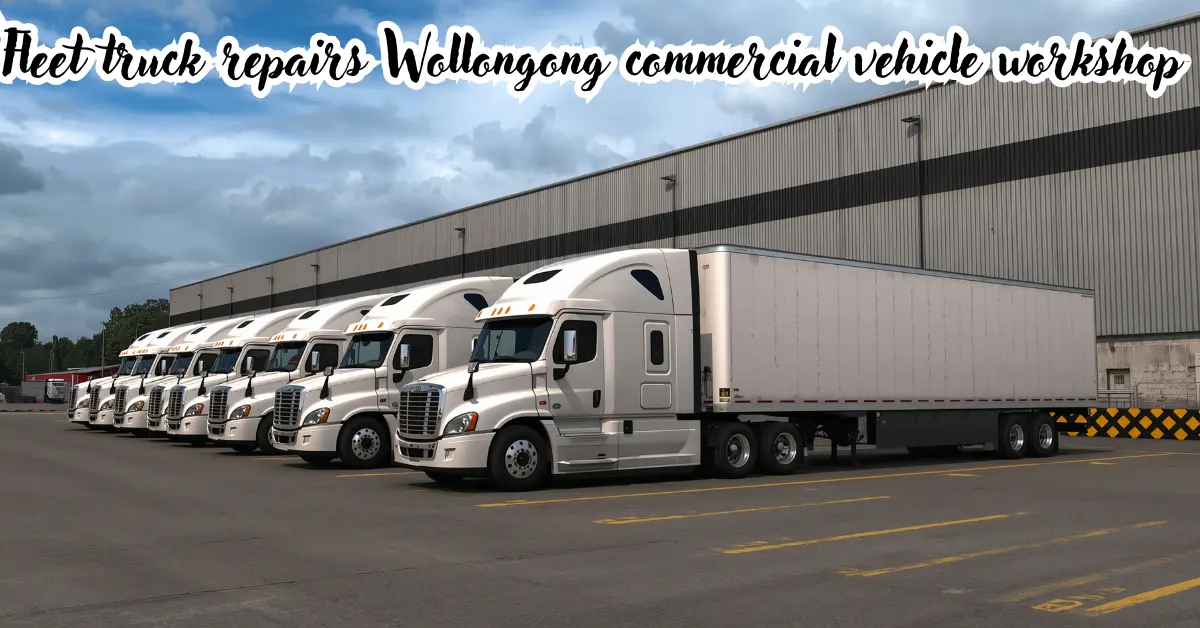
Fleet truck repairs Wollongong businesses depend on can help reduce vehicle downtime, prevent costly breakdowns, improve road safety, and keep transport operations running smoothly.
This guide explains what fleet truck repair services include, when your vehicles need attention, how preventive maintenance works, what affects repair costs, and how to choose a dependable truck repair provider in Wollongong. It is useful for transport companies, construction contractors, delivery businesses, logistics operators, owner-drivers, and overseas companies managing commercial vehicles in New South Wales.
A well-maintained fleet does more than avoid mechanical trouble. It supports reliable deliveries, protects drivers, controls operating expenses, and helps businesses meet their customer commitments.
What Are Fleet Truck Repairs Wollongong?
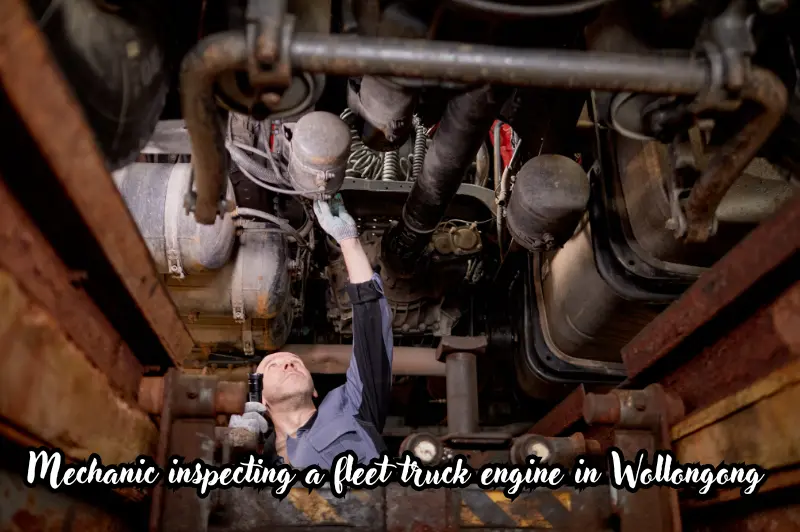
Fleet truck repairs are professional mechanical, electrical, diagnostic, and maintenance services performed on a group of commercial trucks.
Unlike a one-time repair for a private vehicle, fleet repair management focuses on the condition, service history, mileage, workload, and maintenance schedule of multiple vehicles. The aim is to keep every truck safe, dependable, and available for work.
Fleet truck repair services may cover:
- Scheduled truck servicing
- Engine diagnostics and repairs
- Brake inspections and replacement
- Suspension and steering repairs
- Transmission and driveline work
- Electrical fault diagnosis
- Cooling system maintenance
- Battery and charging system checks
- Tyre and wheel inspections
- Breakdown repairs
- Roadworthiness-related repairs
- Preventive maintenance planning
- Vehicle inspection records
A fleet may contain light commercial trucks, rigid trucks, prime movers, tipper trucks, refrigerated vehicles, delivery trucks, construction vehicles, or mixed commercial vehicles.
Why Fleet Truck Repairs Wollongong Matter
Regular fleet truck repairs protect vehicles from small mechanical problems that can develop into expensive failures.
A truck that misses scheduled servicing may continue operating with worn brake components, low fluid levels, damaged belts, cooling problems, tyre wear, or electrical faults. These problems can eventually cause roadside breakdowns, delivery delays, towing costs, missed jobs, and safety risks.
Reliable fleet maintenance provides several practical benefits:
- Reduces unexpected breakdowns
- Improves vehicle availability
- Helps control repair expenses
- Extends the useful life of fleet vehicles
- Supports safer driving conditions
- Improves fuel and engine performance
- Makes maintenance spending easier to forecast
- Protects business reputation
- Supports accurate service records
- Helps identify recurring mechanical problems
For businesses working around Wollongong, Port Kembla, Unanderra, Dapto, Fairy Meadow, Shellharbour, and nearby industrial areas, truck reliability can directly affect daily operations.
What Services Are Included in Fleet Truck Repairs Wollongong?
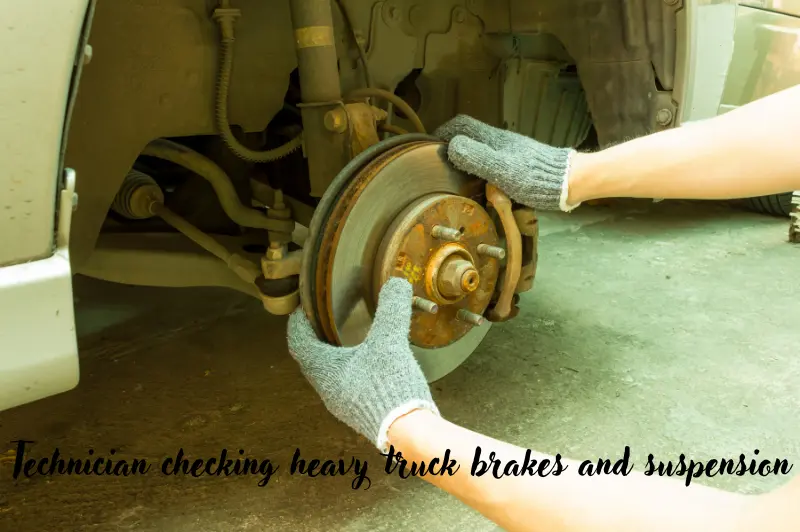
A professional fleet truck repair program normally combines preventive servicing, inspections, diagnostics, repairs, and emergency support.
The exact services required will depend on the truck model, age, mileage, operating conditions, load type, and manufacturer recommendations.
Scheduled Fleet Truck Repairs Wollongong Servicing
Scheduled servicing is performed at planned mileage, engine-hour, or time intervals.
A standard truck service may include:
- Engine oil and filter replacement
- Fuel filter inspection or replacement
- Air filter inspection
- Fluid level checks
- Brake inspection
- Steering and suspension checks
- Battery testing
- Cooling system inspection
- Belt and hose checks
- Tyre condition assessment
- Lighting and electrical checks
- Lubrication of relevant components
Scheduled servicing helps technicians detect wear before it leads to a larger mechanical failure.
Engine Diagnostics and Repairs
Engine problems should be investigated as soon as warning signs appear.
Modern trucks may develop mechanical, fuel-related, cooling, sensor, or electronic faults. Diagnostic equipment allows technicians to identify fault codes and test systems before replacing parts unnecessarily.
Common engine-related warning signs include:
- Loss of power
- Difficult starting
- Excessive smoke
- Unusual engine noise
- Increased fuel consumption
- Engine warning lights
- Rough idling
- Oil or coolant leaks
- Overheating
An accurate diagnosis can save time and reduce the risk of replacing the wrong component.
Brake System Repairs
Brake inspections are essential because commercial trucks carry heavier loads and require dependable stopping performance.
Fleet brake services may include:
- Brake pad or lining replacement
- Brake disc or drum inspection
- Air brake system checks
- Brake fluid inspection
- Hose and line checks
- Parking brake repairs
- Brake adjustment
- Warning system diagnosis
Drivers should report changes in stopping distance, pulling, vibration, noise, pedal feel, or air pressure immediately.
Suspension and Steering Repairs
Suspension and steering systems affect vehicle control, tyre wear, load stability, and driver comfort.
Common problems include worn bushes, damaged shock absorbers, loose steering components, wheel alignment issues, broken springs, and uneven ride height.
Warning signs may include:
- Uneven tyre wear
- Steering vibration
- Vehicle pulling to one side
- Excessive bouncing
- Knocking sounds
- Reduced stability while carrying a load
- Difficulty keeping the truck in a straight line
Ignoring these symptoms can increase tyre costs and place extra stress on other components.
Transmission and Driveline Work
Transmission and driveline components transfer engine power to the wheels.
Fleet repair providers may inspect or repair:
- Manual and automatic transmissions
- Clutches
- Differentials
- Driveshafts
- Universal joints
- Gear selection systems
- Transmission fluid leaks
- Axles and related components
Delays in gear engagement, slipping, grinding, vibration, or unusual driveline noise should be checked before the vehicle returns to heavy-duty work.
Electrical and Electronic Diagnostics
Commercial trucks rely on electrical and electronic systems for starting, charging, lighting, safety features, engine management, and driver controls.
Electrical repair services may cover:
- Starter motor problems
- Alternator faults
- Battery failures
- Wiring damage
- Lighting faults
- Dashboard warning lights
- Sensor failures
- Charging system issues
- Trailer electrical connections
- Electronic control system diagnosis
Electrical problems can be intermittent, so technicians need clear information about when and how the fault occurs.
Cooling System Maintenance
The cooling system prevents the engine from operating at damaging temperatures.
A cooling system inspection may include the radiator, coolant, water pump, thermostat, cooling fans, hoses, clamps, and pressure levels.
Common cooling system warning signs include:
- Rising temperature gauge
- Coolant loss
- Steam from the engine area
- Visible leaks
- Sweet-smelling vapour
- Frequent overheating
- Heater performance changes
Continuing to drive an overheating truck can cause severe engine damage.
Preventive, Corrective and Emergency Fleet Truck Wollongong Repairs
The best fleet maintenance strategy uses the right type of repair at the right time.
| Repair Type | When It Is Used | Main Purpose | Typical Example |
| Preventive maintenance | Before a failure occurs | Reduce breakdown risk | Replacing filters and inspecting brakes during scheduled servicing |
| Corrective repair | After a fault is identified | Restore normal operation | Repairing an oil leak or replacing a damaged starter motor |
| Emergency repair | After an unexpected breakdown | Return the truck to service safely | Diagnosing a no-start condition at the roadside |
| Predictive maintenance | When inspection data shows developing wear | Repair components before failure | Replacing a bearing after abnormal noise or vibration is detected |
Preventive maintenance is usually easier to plan than emergency work. However, it cannot eliminate every breakdown because unexpected failures, road damage, component defects, and operating conditions can still affect a vehicle.
Workshop Repairs Versus Fleet Truck Repairs Wollongong
Workshop repairs are generally better for major mechanical work, while mobile repairs are useful for breakdowns, inspections, and minor repairs at the vehicle’s location.
| Factor | Workshop Repair | Mobile Truck Repair |
| Best for | Major repairs and detailed inspections | Breakdowns and on-site faults |
| Equipment access | Wider range of tools and lifting equipment | Limited to mobile equipment |
| Vehicle movement | Truck must reach the workshop | Technician travels to the truck |
| Repair complexity | Suitable for complex work | Best for suitable roadside or on-site tasks |
| Convenience | Requires transport planning | Reduces unnecessary towing in some cases |
| Parts availability | Easier access to workshop stock | Parts may need to be collected or ordered |
A mobile mechanic may be able to repair batteries, electrical connections, hoses, minor air leaks, starting faults, lighting problems, or other manageable issues. Major engine, transmission, chassis, or suspension work will usually require workshop facilities.
How to Choose a Fleet Truck Repairs Wollongong Provider in Wollongong
Choose a provider that understands commercial vehicles, communicates clearly, and can support the size and type of fleet you operate.
Use the following steps before entering a repair or maintenance agreement.
1. Confirm Commercial Fleet Truck Repairs Wollongong Experience
Ask whether the workshop regularly services trucks similar to yours.
A mechanic experienced with passenger cars may not have the equipment, workshop space, diagnostic tools, or heavy vehicle knowledge required for commercial fleet work.
2. Check the Range of Services
A strong fleet provider should be able to handle routine servicing, diagnostics, mechanical repairs, electrical issues, inspections, and repair records.
Using one provider for several services can make vehicle history easier to manage.
3. Ask About Fleet Scheduling
Confirm whether the provider offers planned bookings for multiple vehicles.
Fleet scheduling may involve rotating trucks through the workshop so the entire fleet is not unavailable at the same time.
4. Review Breakdown Support
Ask whether mobile or emergency assistance is available and what locations are covered.
You should also understand after-hours availability, call-out arrangements, towing requirements, and the types of roadside repairs that can be completed.
5. Request Clear Estimates
A repair estimate should explain the suspected problem, recommended work, labour, parts, and any further testing required.
Some faults cannot be fully priced before disassembly or diagnosis. In that situation, the provider should explain the approval process before additional work begins.
6. Check Communication Procedures
Decide who can approve repairs on behalf of your business.
Clear approval limits help prevent delays when a truck is already in the workshop. For example, you may authorise routine repairs up to a certain amount while requiring approval for major work.
7. Evaluate Service Records
Ask how repair and inspection records are supplied.
Useful records should identify:
- Vehicle registration or fleet number
- Service date
- Odometer or engine hours
- Work completed
- Parts replaced
- Faults found
- Recommended future work
- Next service requirement
Detailed records support maintenance planning and help identify vehicles with repeated problems.
How to Build an Effective Fleet Maintenance Plan
An effective fleet maintenance plan combines manufacturer guidance, vehicle condition, operating environment, mileage, and driver feedback.
Follow these practical steps.
Step 1: Create a Vehicle Register
List every truck, registration, model, year, mileage, engine hours, service history, and assigned driver or department.
Step 2: Set Service Intervals
Use the vehicle manufacturer’s maintenance guidance as the starting point.
Trucks operating under heavy loads, frequent stop-start conditions, dusty environments, construction sites, or extended idling may require closer inspection.
Step 3: Introduce Driver Checks
Drivers should perform simple pre-start or daily checks according to company procedures.
Checks may include:
- Tyres and wheel condition
- Lights and indicators
- Fluid leaks
- Mirrors and visibility
- Brake response
- Warning lights
- Unusual sounds
- Couplings and trailer connections
- Visible body or load-security concerns
Drivers should report defects rather than waiting for the next scheduled service.
Step 4: Prioritise Defects
Not every fault has the same level of urgency.
Safety-related defects, overheating, braking problems, major leaks, steering issues, warning lights, or unusual mechanical noise should receive immediate attention.
Minor cosmetic issues may be scheduled for a later visit.
Step 5: Track Repair Patterns
Repeated failures can indicate a deeper problem.
For example, repeated tyre wear may be connected to alignment or suspension issues rather than tyre quality alone. Frequent battery replacement may indicate a charging fault or an electrical drain.
Step 6: Review the Plan Regularly
Compare planned maintenance with actual breakdowns, repair costs, vehicle age, utilisation, and downtime.
Older or heavily used trucks may need shorter inspection intervals or replacement planning.
Signs a Fleet Truck Repairs Wollongong Needs Immediate Repair
A truck should be inspected promptly when a fault may affect safety, reliability, or cause further damage.
Important warning signs include:
- Brake performance changes
- Steering difficulty
- Overheating
- Oil, fuel, coolant, or air leaks
- Red dashboard warning lights
- Loss of engine power
- Heavy smoke
- Burning smells
- Grinding or knocking sounds
- Transmission slipping
- Severe vibration
- Uneven or damaged tyres
- Battery charging problems
- Repeated starting difficulty
- Damaged lights or indicators
Drivers should not be pressured to continue operating a truck with a serious defect. A small delay for inspection may prevent a larger breakdown or dangerous situation.
What Affects Fleet Truck Repairs Wollongong Repair Costs?
Fleet truck repair costs depend on the fault, labour time, parts, truck type, accessibility, and urgency of the work.
Common cost factors include:
- Vehicle make and model
- Age and condition
- Type of engine or transmission
- Availability of replacement parts
- Diagnostic time required
- Labour complexity
- Mobile call-out requirements
- After-hours work
- Towing or recovery
- Additional damage caused by delayed repairs
- Genuine, aftermarket, new, or reconditioned parts
- Number of vehicles covered by the service agreement
The lowest initial quote is not always the lowest overall cost. A poor-quality repair may lead to repeated workshop visits, additional downtime, and damage to connected components.
Ask for a clear explanation of what is included before approving major work.
Benefits and Limitations of Fleet Truck Repairs Wollongong Agreements
A fleet repair agreement can make maintenance more organised, but businesses should still review service quality and costs.
Main Benefits
A well-managed agreement may provide:
- Easier service scheduling
- Consistent vehicle records
- Faster repair approvals
- Better knowledge of each truck’s history
- Reduced administrative work
- Planned maintenance reminders
- Improved communication
- More predictable fleet availability
Possible Limitations
Potential limitations include:
- Dependence on one provider
- Delays during busy workshop periods
- Different service needs across mixed fleets
- Limited mobile coverage
- Parts delays for uncommon models
- Contract terms that may not suit changing fleet sizes
Review the arrangement periodically and confirm that service quality, response times, communication, and pricing remain suitable.
Common Fleet Truck Repairs Wollongong Maintenance Mistakes
The most common mistakes involve delaying repairs, ignoring driver reports, and failing to keep accurate records.
Avoid these problems:
Waiting for a Breakdown
Repairing trucks only after they fail creates unpredictable downtime and may increase repair costs.
Skipping Minor Faults
Small leaks, warning lights, vibration, or unusual noise can indicate developing mechanical problems.
Using Incomplete Service Records
Without accurate records, managers may miss servicing, repeat unnecessary work, or overlook recurring faults.
Choosing a Provider Based Only on Price
Low labour rates do not guarantee accurate diagnosis, quality parts, timely work, or dependable repairs.
Failing to Inspect High-Use Trucks More Often
Two identical trucks may require different maintenance schedules if one carries heavier loads or travels more frequently.
Keeping Unreliable Vehicles Too Long
Repeated repairs, excessive downtime, and declining reliability may indicate that replacement is more practical than continued repair.
Fleet Truck Repairs Wollongong for Indian Businesses Operating in Wollongong
Indian-owned transport companies, exporters, contractors, and logistics businesses managing vehicles in Australia need clear local repair arrangements.
A business manager based in India may not be able to inspect every vehicle or visit the workshop personally. Reliable reporting is therefore essential.
Ask the Wollongong fleet repair provider to supply:
- Written estimates
- Diagnostic findings
- Photographs when appropriate
- Service records
- Approval requests before major work
- Parts and labour breakdowns
- Completion updates
- Future maintenance recommendations
Use a unique fleet number for each truck and maintain cloud-based service records that authorised managers can access from different locations.
Clear documentation reduces misunderstandings and helps overseas decision-makers monitor vehicle condition and maintenance spending.
Regular servicing and early fault detection can improve truck reliability and reduce unexpected downtime. Explore our truck maintenance services to understand the available repair options, or read our guide to mobile truck repairs in Wollongong for help with roadside and on-site faults. Fleet operators can also review the National Heavy Vehicle Inspection Manual for official information about Australian heavy vehicle standards and inspection requirements.
Frequently Asked Questions
How often should Fleet Truck Repairs Wollongong trucks be serviced?
Fleet trucks should be serviced according to the manufacturer’s recommended intervals and their actual operating conditions. Mileage, engine hours, load weight, idling, road conditions, vehicle age, and work type can affect maintenance frequency. Trucks performing demanding construction, delivery, or stop-start work may need inspections more often than lightly used vehicles.
Do fleet truck repair providers offer mobile services in Wollongong?
Some providers offer mobile truck repairs, breakdown assistance, inspections, battery work, electrical repairs, hose replacement, and minor mechanical services. Fleet Truck Repairs WollongongAvailability and coverage vary between providers. Complex repairs may still require towing or workshop equipment, so confirm the service area, call-out fees, operating hours, and repair limitations before relying on mobile support.
What information should a driver provide when reporting a fault?
The driver should describe the warning lights, sounds, smells, leaks, performance changes, and conditions in which the problem occurs. They should also provide the truck’s location, registration or fleet number, mileage, load status, and whether it can be moved safely. Clear information helps the technician prepare appropriate tools and parts.
Is preventive fleet maintenance worth the cost?
Preventive maintenance is valuable because it helps identify wear, leaks, damaged components, and servicing needs before they cause larger failures. It cannot prevent every breakdown, but it makes repairs easier to schedule and can reduce avoidable downtime. The plan should be based on vehicle usage rather than applying one identical schedule to every truck.
How can businesses reduce truck repair downtime?
Businesses can reduce downtime by scheduling maintenance early, keeping accurate service records, approving repairs quickly, reporting defects immediately, and using a provider familiar with the fleet. Maintaining common spare parts and rotating vehicles through servicing can also help. Delaying repairs usually increases the risk of a longer and more expensive interruption later.
Conclusion
Reliable fleet truck repairs Wollongong operators can depend on require more than fixing vehicles after they stop working. A strong maintenance strategy combines scheduled servicing, driver inspections, accurate diagnostics, prompt repairs, clear records, and regular review of vehicle performance.
Choose a repair provider with proven commercial truck experience, suitable workshop facilities, transparent estimates, strong communication, and practical breakdown support. Create a maintenance schedule for every vehicle and encourage drivers to report faults as soon as they appear.
The next practical step is to review your current fleet records, identify overdue servicing or repeated faults, and arrange inspections before those problems cause unnecessary downtime.
