

Introduction
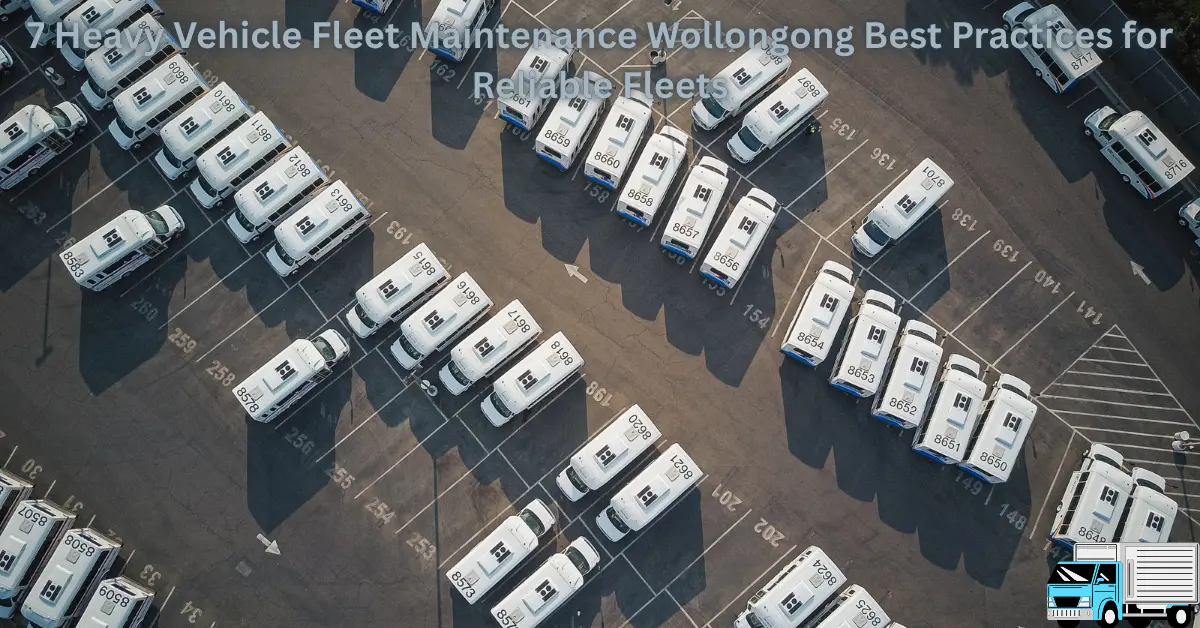
Heavy vehicle fleet maintenance Wollongong is essential for businesses that rely on trucks, buses, trailers, construction vehicles, and commercial fleets to keep operations running smoothly. Regular maintenance reduces breakdowns, improves road safety, extends vehicle lifespan, and helps fleet owners avoid expensive repairs.
Whether you manage a small delivery fleet or a large transport business, understanding how professional fleet maintenance works can help reduce downtime and improve operational efficiency. This guide explains everything you need to know, including maintenance schedules, benefits, common mistakes, safety checks, preventive servicing, compliance, and expert maintenance tips for commercial vehicles.
What Is Heavy Vehicle Fleet Maintenance Wollongong?
Heavy vehicle fleet maintenance Wollongong refers to the planned inspection, servicing, repair, and management of commercial vehicles operating within and around the Wollongong region.
Fleet maintenance involves keeping every vehicle in excellent working condition through routine inspections and preventive servicing rather than waiting for mechanical failures.
Common fleet vehicles include:
- Prime movers
- Heavy-duty trucks
- Delivery trucks
- Tippers
- Refrigerated trucks
- Semi-trailers
- Construction vehicles
- Buses
- Utility vehicles
Professional fleet maintenance programs help businesses maximize vehicle availability while minimizing repair costs.
Why Fleet Maintenance Matters
Proper maintenance is one of the biggest investments a fleet owner can make.
Key benefits include:
- Reduced unexpected breakdowns
- Better fuel efficiency
- Longer engine life
- Improved driver safety
- Lower repair expenses
- Increased vehicle reliability
- Higher resale value
- Better compliance with transport regulations
A vehicle that receives scheduled maintenance generally experiences fewer major mechanical failures than one maintained only after problems occur.
How Preventive Fleet Maintenance Works
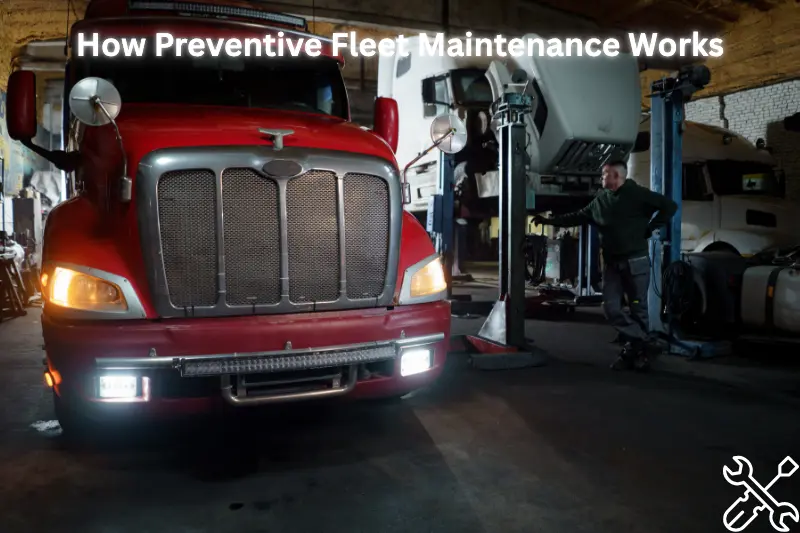
Preventive maintenance means servicing vehicles before failures happen.
Typical maintenance includes:
Engine Inspection
Technicians inspect:
- Engine oil
- Oil filters
- Fuel filters
- Air filters
- Coolant levels
- Belts
- Hoses
- Engine performance
Routine inspections help detect wear before serious damage develops.
Brake System Checks
Commercial vehicles depend on powerful braking systems.
Maintenance usually includes:
- Brake pads
- Brake discs
- Air brake systems
- Brake chambers
- Air lines
- Brake fluid
- Parking brake inspection
Brake inspections are among the most important safety procedures.
Suspension Inspection
Heavy loads place significant stress on suspension components.
Technicians inspect:
- Leaf springs
- Shock absorbers
- Bushes
- U-bolts
- Suspension mounts
- Steering components
Healthy suspension improves vehicle stability and driver comfort.
Steering System Inspection
Steering inspections often include:
- Steering gearbox
- Power steering fluid
- Tie rods
- Steering linkage
- Wheel alignment
- Ball joints
Proper steering reduces tire wear and improves handling.
Transmission Maintenance
Fleet servicing includes checking:
- Gearbox oil
- Transmission filters
- Clutch condition
- Driveline components
- Universal joints
- Differential oil
Early servicing helps prevent expensive transmission failures.
Fleet Maintenance Schedule
Every fleet should follow a structured maintenance schedule.
| Maintenance Task | Recommended Frequency |
|---|---|
| Daily walk-around inspection | Every day |
| Engine oil check | Weekly |
| Tire pressure inspection | Weekly |
| Brake inspection | Monthly |
| Wheel alignment | Every service interval |
| Full vehicle inspection | Scheduled servicing |
| Coolant replacement | Manufacturer recommendation |
| Transmission service | Manufacturer schedule |
Actual intervals depend on vehicle usage, load capacity, driving conditions, and manufacturer recommendations.
Daily Fleet Inspection Checklist
Drivers should inspect vehicles before every trip.
Checklist includes:
- Tire pressure
- Tire damage
- Lights
- Indicators
- Mirrors
- Windshield
- Brakes
- Oil leaks
- Coolant leaks
- Air leaks
- Horn
- Steering response
- Trailer coupling
- Safety equipment
Daily inspections often identify problems before they become major repairs.
Signs Your Fleet Needs Immediate Maintenance
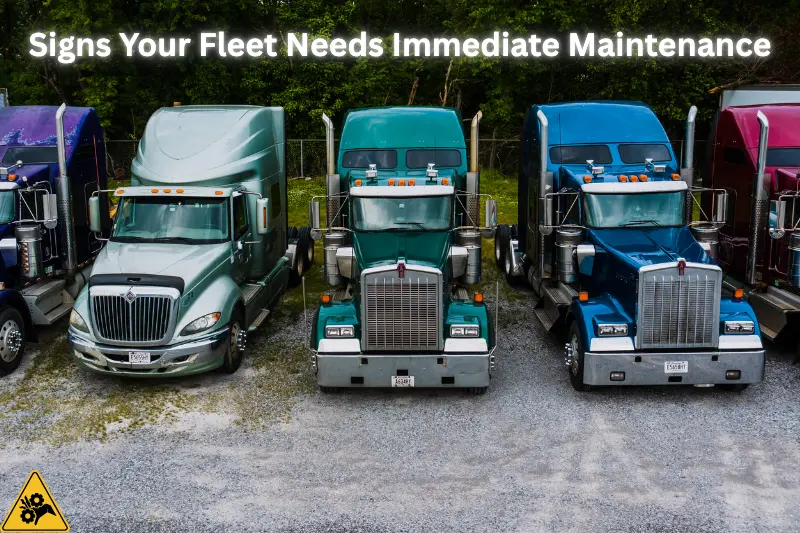
Watch for warning signs including:
- Dashboard warning lights
- Poor fuel economy
- Excessive smoke
- Engine overheating
- Brake vibration
- Steering pull
- Suspension noise
- Oil leaks
- Transmission slipping
- Unusual engine sounds
Ignoring these issues can increase repair costs and vehicle downtime.
Benefits of Professional Fleet Maintenance
Businesses benefit in several ways.
Lower Operating Costs
Preventive servicing usually costs less than emergency repairs.
Reduced Downtime
Scheduled servicing keeps vehicles available for daily operations.
Improved Safety
Well-maintained vehicles reduce the risk of mechanical failures on the road.
Better Fuel Efficiency
Proper engine tuning, tire pressure, and filter replacement help reduce fuel consumption.
Longer Vehicle Life
Routine servicing extends the lifespan of expensive fleet assets.
Technology Used in Modern Fleet Maintenance
Fleet maintenance has become increasingly data-driven.
Common technologies include:
- Fleet management software
- GPS tracking
- Maintenance scheduling systems
- Digital inspection reports
- Engine diagnostics
- Telematics
- Predictive maintenance alerts
- Electronic service records
These tools help fleet managers monitor vehicle health more effectively.
Common Fleet Maintenance Mistakes
Avoid these common errors:
- Delaying oil changes
- Ignoring warning lights
- Skipping inspections
- Using poor-quality replacement parts
- Missing brake servicing
- Overloading vehicles
- Ignoring tire wear
- Delaying coolant replacement
- Poor maintenance records
Small issues can quickly become major repairs if ignored.
Fleet Maintenance for Different Industries
Different industries require different maintenance priorities.
Logistics Companies
Focus on:
- High mileage servicing
- Fuel efficiency
- Tire management
- Brake inspections
Construction Fleets
Require frequent inspections of:
- Suspension
- Hydraulic systems
- Chassis
- Undercarriage
Refrigerated Transport
Additional servicing includes:
- Refrigeration units
- Electrical systems
- Cooling equipment
Mining and Heavy Industry
Require more frequent inspections because vehicles operate under extreme conditions.
How Fleet Maintenance Improves Safety
Well-maintained vehicles help reduce many common risks.
Safety improvements include:
- Reliable braking
- Better steering control
- Improved visibility
- Stable suspension
- Proper tire grip
- Reduced engine failures
- Lower roadside breakdown risk
Safe vehicles also improve driver confidence during long-distance operations.
Choosing the Right Fleet Maintenance Provider
Look for providers offering:
- Experienced Heavy vehicle fleet maintenance Wollongong
- Scheduled maintenance plans
- Emergency roadside support
- Digital maintenance records
- Genuine replacement parts
- Transparent pricing
- Fast turnaround
- Fleet management experience
A reliable maintenance partner becomes an extension of your transport operation.
Preventive vs Reactive Maintenance
| Preventive Maintenance | Reactive Maintenance |
|---|---|
| Scheduled servicing | Repairs after failure |
| Lower long-term costs | Higher repair costs |
| Reduced downtime | Unexpected downtime |
| Better safety | Greater breakdown risk |
| Longer vehicle lifespan | Increased component wear |
| Easier planning | Emergency repairs |
Preventive maintenance is generally the more cost-effective approach for commercial fleets.
Practical Tips for Fleet Owners
To improve fleet performance:
- Follow manufacturer service intervals.
- Train drivers to report issues immediately.
- Keep digital maintenance records.
- Replace worn components before failure.
- Monitor fuel consumption regularly.
- Perform daily inspections.
- Use quality replacement parts.
- Schedule seasonal maintenance.
- Rotate tires as recommended.
- Review maintenance history for recurring issues.
Compliance and Record Keeping
Maintaining accurate service records helps fleet operators demonstrate that vehicles are regularly inspected and maintained. Documentation may include inspection reports, repair history, parts replaced, and scheduled servicing dates. Good record keeping also supports warranty claims and simplifies maintenance planning.
For Australian Heavy vehicle fleet maintenance Wollongong operators, official guidance on vehicle standards and maintenance is available from the National Heavy vehicle fleet maintenance Wollongong Regulator (NHVR), a trusted authority on Heavy vehicle fleet maintenance Wollongong safety and compliance.
Keeping your fleet in excellent condition requires more than routine servicing. If you also need expert assistance with repairs or roadside support, explore our Truck Repairs Wollongong, Mobile Truck Mechanic Wollongong, Diesel Mechanic Wollongong, and Heavy Vehicle Repairs Wollongong services to keep your commercial vehicles operating safely and efficiently.
For official guidance on heavy vehicle maintenance, vehicle safety standards, and compliance requirements, visit the National Heavy Vehicle Regulator (NHVR). The NHVR provides trusted resources, safety information, and regulatory guidance for heavy vehicle operators across Australia.
Cost Factors That Affect Heavy Vehicle Fleet Maintenance Wollongong
The cost of heavy vehicle fleet maintenance Wollongong varies depending on several factors. Understanding these factors helps fleet owners plan maintenance budgets more effectively and avoid unexpected expenses.
Some of the biggest cost factors include:
Fleet Size
Larger fleets naturally require more servicing because there are more vehicles to inspect, repair, and maintain. However, many maintenance providers offer fleet servicing plans that reduce the average maintenance cost per vehicle.
Vehicle Age
Older commercial vehicles generally require more frequent repairs. Components such as suspension parts, cooling systems, belts, hoses, and electrical systems wear out over time, increasing maintenance requirements.
Vehicle Usage
Heavy-duty trucks that travel long distances or carry maximum loads experience greater wear than vehicles used for lighter transport tasks. High-mileage fleets usually require more frequent servicing.
Driving Conditions
Road conditions significantly influence maintenance needs. Vehicles operating in construction sites, mining areas, steep terrain, or dusty environments require more frequent inspections than those driving mainly on highways.
Quality of Replacement Parts
Using high-quality replacement parts often reduces future repair costs by improving reliability and durability. While premium components may cost more initially, they frequently provide better long-term value.
Planning maintenance based on these factors allows fleet managers to control expenses while maintaining vehicle safety and reliability.
Building an Effective Fleet Maintenance Program
A successful maintenance program involves more than repairing vehicles when problems occur. It requires careful planning, regular inspections, and continuous monitoring of fleet performance.
An effective maintenance program should include:
- Scheduled servicing for every vehicle
- Driver inspection checklists
- Digital maintenance records
- Brake and tire inspections
- Engine diagnostic testing
- Preventive replacement of worn components
- Fuel consumption monitoring
- Regular compliance inspections
- Emergency repair procedures
Businesses that follow structured maintenance programs generally experience fewer roadside breakdowns and improved fleet availability.
Environmental Benefits of Regular Fleet Maintenance
Maintaining commercial vehicles also contributes to environmental responsibility.
Well-maintained engines burn fuel more efficiently, producing fewer harmful emissions than poorly maintained vehicles. Replacing clogged filters, repairing fuel system issues, and ensuring proper engine tuning all contribute to cleaner operation.
Additional environmental benefits include:
- Reduced fuel consumption
- Lower exhaust emissions
- Less engine oil leakage
- Improved combustion efficiency
- Longer component lifespan
- Reduced waste through preventive maintenance
For companies working toward sustainability goals, regular fleet maintenance supports both environmental performance and operational efficiency.
Fleet Maintenance Best Practices
Businesses can improve long-term fleet performance by following these proven best practices.
Create a Preventive Maintenance Calendar
Schedule inspections based on mileage, operating hours, and manufacturer recommendations rather than waiting for vehicle failures.
Train Drivers
Drivers should understand how to identify warning signs such as unusual noises, fluid leaks, dashboard alerts, vibration, or steering problems. Early reporting helps technicians address issues before they become serious.
Maintain Accurate Service Records
Detailed maintenance records help identify recurring mechanical issues, monitor repair history, and improve maintenance planning across the fleet.
Inspect Tires Regularly
Correct tire pressure and proper tread depth improve fuel efficiency, braking performance, and vehicle stability while reducing unnecessary tire replacement costs.
Perform Seasonal Maintenance
Changing weather conditions can affect cooling systems, batteries, brakes, and tire performance. Seasonal inspections prepare vehicles for different operating conditions throughout the year.
Why Businesses Choose Professional Fleet Maintenance Services
Professional fleet maintenance providers have the equipment, experience, and diagnostic tools needed to service modern heavy vehicles efficiently.
Advantages include:
- Faster fault diagnosis
- Access to experienced heavy vehicle mechanics
- Manufacturer-approved servicing procedures
- Professional diagnostic equipment
- Improved fleet uptime
- Reduced operational interruptions
- Better maintenance planning
- Increased vehicle reliability
Partnering with an experienced maintenance provider allows businesses to focus on transport operations while ensuring their fleet remains safe, compliant, and dependable.
Frequently Asked Questions
1. What is Heavy vehicle fleet maintenance Wollongong?
Heavy vehicle fleet maintenance Wollongong is the regular inspection, servicing, repair, and management of commercial vehicles to reduce breakdowns, improve safety, and extend vehicle lifespan. It includes preventive maintenance, scheduled servicing, diagnostics, and replacement of worn components.
2. How often should commercial fleets be serviced?
Service intervals depend on manufacturer recommendations, mileage, operating conditions, and vehicle type. Fleets operating under heavy loads or harsh conditions often require more frequent inspections and preventive maintenance than vehicles used in lighter-duty applications.
3. Why is preventive maintenance better than reactive repairs?
Preventive maintenance identifies minor problems before they become major failures. This approach reduces downtime, lowers repair costs, improves vehicle reliability, and helps businesses maintain consistent fleet availability.
4. What are the most important fleet maintenance checks?
Critical checks include engine oil, brakes, tires, suspension, steering, transmission, cooling system, electrical components, lighting, and fluid levels. Daily inspections combined with scheduled servicing provide the best protection against unexpected failures.
5. Can fleet maintenance improve fuel efficiency?
Yes. Regular servicing helps engines operate efficiently, maintains proper tire pressure, replaces clogged filters, and identifies mechanical issues that increase fuel consumption. Regular heavy vehicle fleet maintenance Wollongong services also help businesses minimize repair costs while extending the lifespan of commercial vehicles. A well-maintained fleet often delivers better overall operating efficiency.
Conclusion
Heavy vehicle fleet maintenance Wollongong is a vital part of managing commercial transport operations safely and efficiently. Routine inspections, preventive servicing, accurate maintenance records, and timely repairs reduce breakdowns, improve vehicle reliability, and lower long-term operating costs.
Businesses investing in heavy vehicle fleet maintenance Wollongong can reduce unexpected downtime, improve vehicle safety, and achieve better long-term operational performance. By partnering with experienced heavy vehicle specialists and following a structured maintenance schedule, fleet owners can protect their investment, improve safety, and keep vehicles on the road with minimal disruption.
