

Introduction
Heavy vehicle mechanic Wollongong services are essential for keeping trucks, buses, trailers, construction vehicles, and commercial fleets operating safely and efficiently. Whether you own a logistics company, manage a transport fleet, or drive a heavy vehicle for business, choosing the right mechanic can reduce downtime, improve road safety, and extend vehicle life.
This guide explains everything you need to know about heavy vehicle mechanic Wollongong services, including what mechanics do, common repairs, maintenance schedules, benefits, costs, tips for selecting a workshop, and answers to common questions. The information is written for readers in India who want to understand international heavy vehicle maintenance standards and best practices.
What Is a Heavy Vehicle Mechanic Wollongong?
A heavy vehicle mechanic Wollongong is a trained professional who repairs, services, diagnoses, and maintains heavy commercial vehicles.
These professionals work on:
- Prime movers
- Semi-trucks
- Rigid trucks
- Buses
- Coaches
- Construction equipment
- Tippers
- Tankers
- Delivery vehicles
- Commercial trailers
Unlike standard car mechanics, heavy vehicle mechanics work with larger engines, advanced braking systems, heavy-duty suspensions, diesel fuel systems, hydraulic equipment, and electronic control systems.
Why Heavy Vehicle Maintenance Is Important
Regular maintenance helps commercial vehicles remain reliable while reducing unexpected breakdowns.
Major benefits include:
- Improved road safety
- Better fuel efficiency
- Longer engine life
- Reduced repair costs
- Higher resale value
- Better fleet productivity
- Less vehicle downtime
- Compliance with safety inspections
Ignoring routine maintenance often leads to expensive repairs that could have been prevented.
Services Offered by Heavy Vehicle Mechanics
Most professional workshops provide complete repair and maintenance solutions.
Engine Diagnostics
Modern heavy vehicles use electronic control units (ECUs).
Mechanics diagnose:
- Engine warning lights
- Poor performance
- Fuel injection issues
- Turbocharger problems
- Cooling system faults
- Sensor failures
Advanced diagnostic tools identify problems quickly.
Diesel Engine Repairs
Diesel engines require specialized knowledge.
Typical repairs include:
- Injector replacement
- Fuel pump servicing
- Turbo repairs
- Cylinder head repairs
- Engine rebuilds
- Timing adjustments
Brake System Repairs
Heavy vehicles depend on reliable braking systems.
Common brake services include:
- Air brake repairs
- Brake pad replacement
- Disc machining
- Drum servicing
- Brake chamber replacement
- Air compressor inspection
Proper brake maintenance directly improves road safety.
Transmission Repairs
Commercial transmissions experience constant heavy loads.
Mechanics repair:
- Manual gearboxes
- Automatic transmissions
- Clutch systems
- Driveshafts
- Differentials
- Transfer cases
Suspension Repairs
Heavy loads place extra stress on suspension components.
Repairs include:
- Leaf springs
- Shock absorbers
- Bushes
- Air suspension systems
- Wheel alignment
- Steering components
Electrical Repairs
Modern commercial vehicles rely heavily on electronics.
Mechanics inspect:
- Batteries
- Alternators
- Starter motors
- Wiring faults
- Lighting systems
- Electronic control modules
Cooling System Repairs
Overheating causes major engine damage.
Cooling system maintenance includes:
- Radiator repairs
- Water pump replacement
- Thermostat replacement
- Hose inspection
- Coolant flushing
Preventive Maintenance
Routine servicing usually includes:
- Oil changes
- Filter replacement
- Greasing
- Fluid checks
- Safety inspections
- Tire pressure inspection
Common Heavy Vehicle Problems
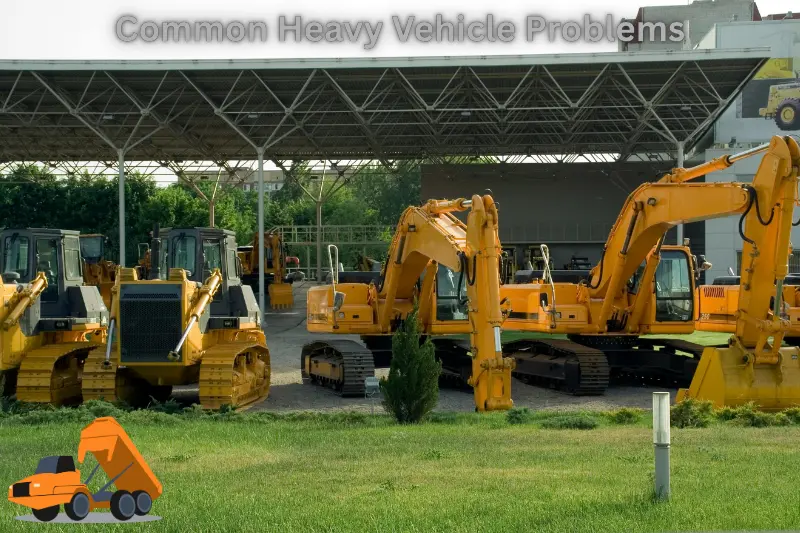
Heavy vehicles experience different issues depending on mileage, load, and operating conditions.
Frequent problems include:
- Engine overheating
- Oil leaks
- Brake wear
- Battery failure
- Suspension damage
- Clutch failure
- Turbocharger issues
- Air leaks
- Steering problems
- Electrical faults
Early diagnosis helps prevent larger failures.
Signs Your Heavy Vehicle Needs Immediate Repairs
Drivers should never ignore warning signs.
Watch for:
- Excessive smoke
- Engine warning lights
- Poor braking
- Difficulty shifting gears
- Vibrations
- Unusual noises
- Increased fuel consumption
- Coolant leaks
- Hard starting
- Loss of engine power
Prompt repairs help avoid roadside breakdowns.
Preventive Maintenance Checklist
Following a maintenance routine improves vehicle reliability.
Daily inspections:
- Check engine oil
- Inspect coolant
- Verify tire pressure
- Test lights
- Inspect mirrors
- Look for fluid leaks
Weekly inspections:
- Battery condition
- Brake operation
- Air pressure system
- Steering
- Suspension
Monthly servicing:
- Engine inspection
- Filter replacement
- Fluid top-up
- Diagnostic scan
- Greasing
- Wheel alignment inspection
How Professional Mechanics Diagnose Problems
Professional workshops follow systematic diagnostic procedures.
Typical process:
- Discuss vehicle symptoms.
- Perform a visual inspection.
- Connect electronic diagnostic equipment.
- Conduct mechanical testing.
- Inspect fluid levels.
- Test-drive the vehicle when appropriate.
- Identify faulty components.
- Recommend necessary repairs.
This approach minimizes unnecessary part replacements.
Benefits of Choosing an Experienced Heavy Vehicle Mechanic Wollongong
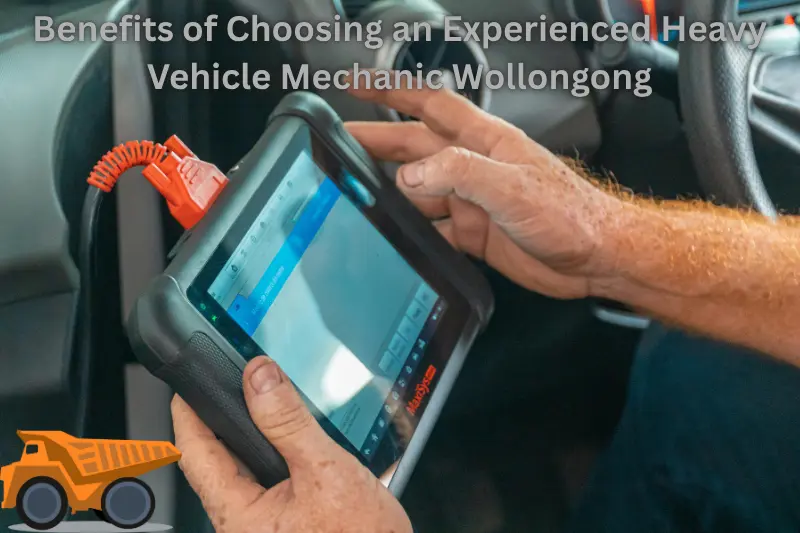
An experienced mechanic provides more than basic repairs.
Advantages include:
- Faster fault diagnosis
- High-quality workmanship
- Genuine replacement parts
- Better safety standards
- Reduced downtime
- Long-term maintenance planning
- Improved fleet reliability
Businesses benefit from predictable maintenance schedules.
Heavy Vehicle Maintenance Schedule
Although every manufacturer has different service intervals, general recommendations include:
| Maintenance Item | Typical Interval |
|---|---|
| Engine oil | Every scheduled service |
| Oil filter | Every oil change |
| Fuel filter | As recommended by manufacturer |
| Air filter | Regular inspection |
| Brake inspection | Frequently during servicing |
| Coolant | According to manufacturer schedule |
| Transmission oil | Manufacturer guidelines |
| Differential oil | Scheduled maintenance |
| Wheel alignment | When required |
| Battery testing | Regular inspections |
Always follow the vehicle manufacturer’s maintenance recommendations.
Common Mistakes Fleet Owners Make
Avoid these costly mistakes:
- Delaying servicing
- Ignoring warning lights
- Using poor-quality replacement parts
- Skipping inspections
- Overloading vehicles
- Ignoring tire maintenance
- Delaying brake repairs
- Missing fluid changes
Small maintenance issues often become expensive repairs when ignored.
Tips for Choosing the Right Heavy Vehicle Mechanic Wollongong
Selecting the right workshop improves long-term vehicle performance.
Look for:
- Experienced technicians
- Modern diagnostic equipment
- Diesel engine expertise
- Transparent pricing
- Preventive maintenance programs
- Fleet servicing options
- Emergency repair availability
- Positive customer reputation
Choosing quality service usually saves money over time.
Heavy Vehicle Mechanic vs General Mechanic
| Heavy Vehicle Mechanic | General Mechanic |
|---|---|
| Repairs commercial vehicles | Repairs passenger cars |
| Diesel engine expertise | Petrol and diesel cars |
| Air brake systems | Hydraulic brakes |
| Heavy suspension systems | Standard suspension |
| Fleet maintenance | Personal vehicle servicing |
| Commercial diagnostics | Consumer diagnostics |
Heavy vehicle mechanics require specialized training because commercial vehicles have more complex systems.
Best Practices for Fleet Maintenance
Fleet operators can improve reliability by following consistent maintenance procedures.
Recommended practices:
- Maintain service records.
- Schedule preventive maintenance.
- Inspect vehicles before trips.
- Train drivers to report issues.
- Monitor fuel efficiency.
- Replace worn parts promptly.
- Use quality lubricants.
- Conduct regular safety inspections.
Preventive maintenance costs far less than emergency repairs.
Safety Considerations
Heavy vehicles operate under demanding conditions.
Important safety practices include:
- Regular brake testing
- Tire inspections
- Steering inspections
- Suspension checks
- Proper lighting
- Load balancing
- Driver reporting procedures
- Compliance with inspection requirements
Road safety depends on both skilled drivers and properly maintained vehicles.
For more helpful guides related to heavy vehicle maintenance, truck servicing, and commercial vehicle solutions, explore our detailed resources on truck repair services, diesel engine maintenance tips, and fleet management solutions. These guides provide practical information to help vehicle owners and businesses improve performance, reduce downtime, and maintain reliable operations.
For accurate information about heavy vehicle safety standards, inspections, and industry regulations, visit the official National Heavy Vehicle Regulator (NHVR) website. This trusted resource provides useful guidance about heavy vehicle compliance, safety requirements, and responsible vehicle operation.
Frequently Asked Questions
1. What vehicles does a heavy vehicle mechanic repair?
Heavy vehicle mechanics repair commercial trucks, buses, trailers, construction equipment, prime movers, tippers, tankers, delivery vehicles, and other large diesel-powered vehicles. They specialize in engines, brakes, transmissions, suspension systems, electrical systems, and preventive maintenance.
2. How often should heavy vehicles be serviced?
The correct service interval depends on manufacturer recommendations, vehicle usage, operating conditions, and mileage. Commercial fleets usually follow preventive maintenance schedules that include regular inspections, oil changes, brake checks, filter replacements, and safety inspections to minimize unexpected failures.
3. Why is preventive maintenance important?
Preventive maintenance identifies minor issues before they become expensive repairs. It improves fuel efficiency, reduces downtime, increases safety, extends engine life, supports regulatory compliance, and helps businesses avoid unexpected operational interruptions.
4. Can modern heavy vehicle problems be diagnosed electronically?
Yes. Most modern commercial vehicles include electronic control systems that store fault codes. Professional mechanics use diagnostic scanners alongside physical inspections to accurately identify engine, transmission, braking, and electrical problems before recommending repairs.
5. What should I check before every trip?
Drivers should inspect engine oil, coolant, tires, brakes, lights, mirrors, steering, air pressure systems, and look for visible leaks or unusual noises. Performing these simple checks improves safety and helps prevent roadside breakdowns.
Conclusion
Choosing a qualified heavy vehicle mechanic Wollongong is one of the best investments for keeping commercial vehicles safe, efficient, and reliable. Regular servicing, professional diagnostics, preventive maintenance, and timely repairs reduce operating costs while improving vehicle performance and longevity. Whether you manage a transport fleet or operate a single commercial vehicle, working with experienced heavy vehicle specialists ensures better reliability and fewer unexpected breakdowns. Prioritize scheduled maintenance, keep accurate service records, and address small issues early to maximize vehicle uptime and long-term value.
