

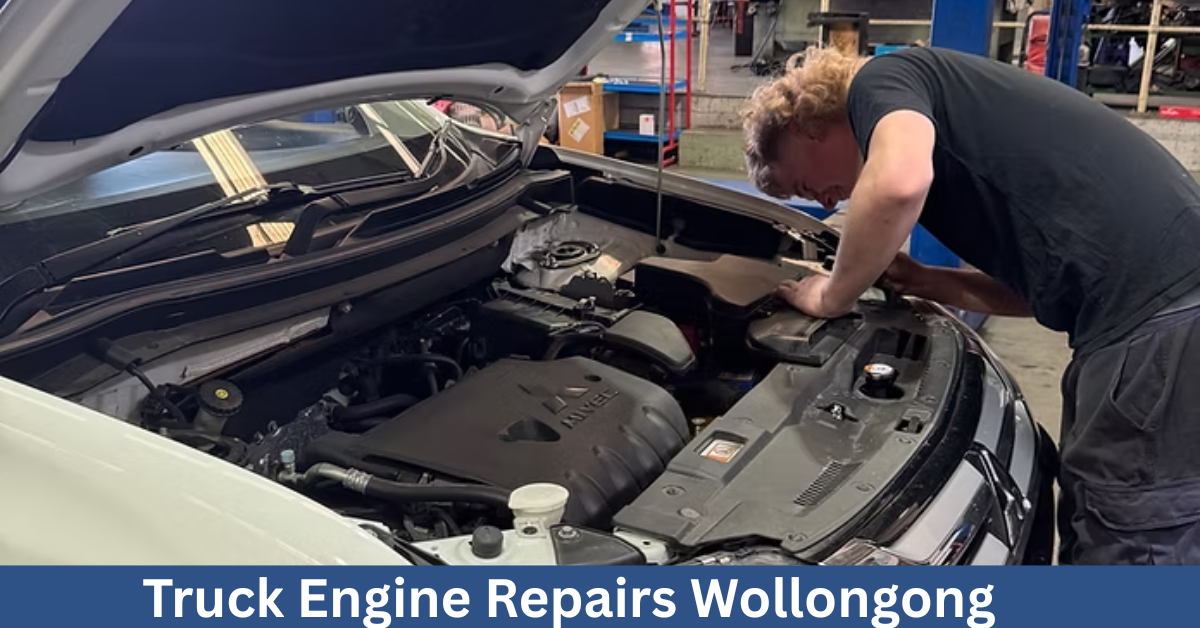
Truck engine repairs Wollongong are essential for keeping commercial vehicles safe, efficient, and reliable. Whether you own a single truck or manage an entire fleet, understanding engine repairs can help you reduce downtime, improve fuel efficiency, and extend your vehicle’s lifespan.
A truck engine works under demanding conditions every day. Heavy loads, long-distance travel, changing weather, and continuous operation place significant stress on engine components. Ignoring early warning signs can lead to expensive repairs or complete engine failure.
Truck Engine Repairs Wollongong are essential for keeping commercial vehicles running safely and efficiently. Whether you own one truck or manage an entire fleet, Truck Engine Repairs Wollongong help prevent costly breakdowns and improve engine performance. Professional Truck Engine Repairs Wollongong include diagnostics, engine rebuilding, fuel system repairs, and cooling system maintenance to ensure long-term reliability. Choosing experienced technicians for Truck Engine Repairs Wollongong can also increase your truck’s lifespan and reduce unexpected repair costs. If you want dependable performance, investing in Truck Engine Repairs Wollongong is the smartest way to keep your vehicle operating at its best while minimizing downtime through quality Truck Engine Repairs Wollongong services.
Truck Engine Repairs Wollongong are essential for keeping commercial vehicles running safely and efficiently. Whether you own one truck or manage an entire fleet, Truck Engine Repairs Wollongong help prevent costly breakdowns and improve engine performance. Professional Truck Engine Repairs Wollongong include diagnostics, engine rebuilding, fuel system repairs, and cooling system maintenance to ensure long-term reliability. Choosing experienced technicians for Truck Engine Repairs Wollongong can also increase your truck’s lifespan and reduce unexpected repair costs. If you want dependable performance, investing in Truck Engine Repairs Wollongong is the smartest way to keep your vehicle operating at its best while minimizing downtime through quality Truck Engine Repairs Wollongong services.
This guide explains everything you need to know about truck engine repairs in Wollongong, including common engine problems, repair procedures, maintenance tips, repair costs, and how to choose a trustworthy repair workshop. Whether you’re a business owner, fleet manager, or independent driver in India looking to understand professional truck maintenance standards, this article provides practical and reliable information.
Truck Engine Repairs Wollongong are essential for keeping commercial vehicles running safely and efficiently. Whether you own one truck or manage an entire fleet, Truck Engine Repairs Wollongong help prevent costly breakdowns and improve engine performance. Professional Truck Engine Repairs Wollongong include diagnostics, engine rebuilding, fuel system repairs, and cooling system maintenance to ensure long-term reliability. Choosing experienced technicians for Truck Engine Repairs Wollongong can also increase your truck’s lifespan and reduce unexpected repair costs. If you want dependable performance, investing in Truck Engine Repairs Wollongong is the smartest way to keep your vehicle operating at its best while minimizing downtime through quality Truck Engine Repairs Wollongong services.
What Are Truck Engine Repairs?
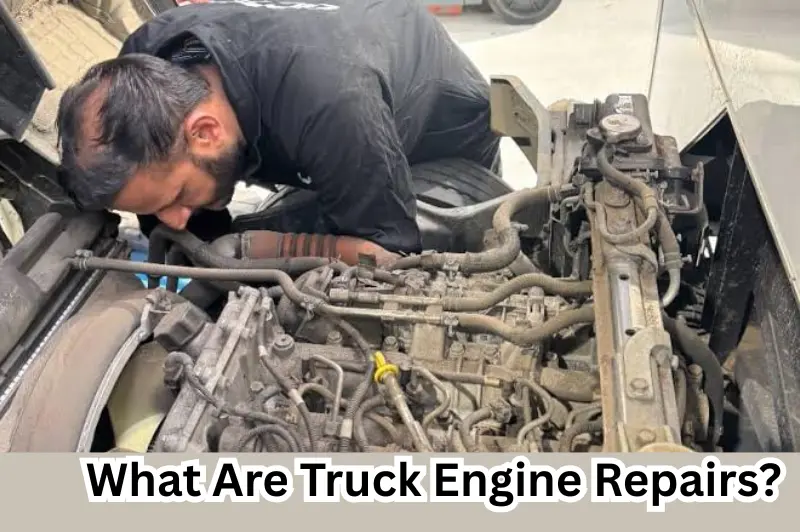
Truck engine repairs involve diagnosing, repairing, or replacing damaged engine components to restore proper performance and reliability.
These repairs can range from replacing worn gaskets to rebuilding an entire diesel engine. Professional mechanics use specialized diagnostic equipment and manufacturer-approved repair procedures to identify faults accurately.
Typical truck engine repair services include:
- Engine diagnostics
- Cylinder head repairs
- Turbocharger repairs
- Fuel injection system repairs
- Cooling system repairs
- Timing component replacement
- Oil leak repairs
- Engine rebuilds
- Complete engine replacement
Professional repairs not only restore engine performance but also improve fuel economy and reduce emissions.
Why Truck Engine Repairs Matter
A truck is only as reliable as its engine. Delaying repairs can quickly turn a minor issue into a major mechanical failure.
Timely engine repairs help:
- Reduce unexpected breakdowns
- Improve fuel efficiency
- Increase engine lifespan
- Maintain vehicle safety
- Lower long-term repair expenses
- Reduce business downtime
- Improve hauling performance
For commercial operators, every hour a truck is off the road can affect productivity and profitability.
Common Signs Your Truck Engine Needs Repairs
Recognizing early warning signs can prevent severe engine damage.
1. Excessive Exhaust Smoke
Different smoke colors often indicate different problems.
- Black smoke may suggest excessive fuel combustion.
- Blue smoke often indicates engine oil burning.
- White smoke can point to coolant entering the combustion chamber.
Professional diagnosis is necessary to identify the exact cause.
2. Loss of Engine Power
If your truck struggles to climb hills or accelerate, the engine may have issues involving:
- Turbocharger performance
- Fuel injectors
- Air intake restrictions
- Compression loss
3. Unusual Engine Noises
Knocking, tapping, rattling, or grinding sounds should never be ignored.
Possible causes include:
- Worn bearings
- Valve train issues
- Damaged pistons
- Loose timing components
4. Increased Fuel Consumption
A noticeable drop in fuel economy often indicates engine inefficiency caused by:
- Dirty injectors
- Air filter blockage
- Sensor failures
- Compression issues
5. Warning Lights
Modern trucks include advanced engine management systems.
If the check engine light appears, professional diagnostics should be performed as soon as possible.
Most Common Truck Engine Problems
Understanding common engine failures helps truck owners respond quickly.
Oil Leaks
Oil leaks can originate from:
- Valve cover gaskets
- Oil pan gaskets
- Rear main seals
- Oil cooler seals
Ignoring leaks may lead to severe engine damage due to low lubrication.
Cooling System Failures
An overheating engine is one of the most serious problems.
Common causes include:
- Radiator leaks
- Water pump failure
- Thermostat malfunction
- Damaged cooling hoses
- Coolant leaks
Turbocharger Problems
Turbocharged diesel engines rely on clean oil and proper maintenance.
Turbo failures may cause:
- Reduced power
- Increased smoke
- Whining noises
- Higher fuel consumption
Fuel Injection Issues
Modern diesel engines use high-pressure fuel injection systems.
Common injector problems include:
- Injector clogging
- Fuel contamination
- Injector leakage
- Pump wear
Head Gasket Failure
A damaged head gasket may cause:
- Overheating
- Coolant loss
- White exhaust smoke
- Poor compression
Repairing a head gasket often requires significant engine disassembly.
Truck Engine Repair Process
Professional workshops follow a structured repair process.
Step 1: Initial Inspection
Mechanics inspect the truck for visible damage, leaks, unusual noises, and performance issues.
Step 2: Computer Diagnostics
Modern diagnostic scanners retrieve fault codes from the engine control unit (ECU), helping technicians identify electronic or sensor-related problems.
Step 3: Mechanical Testing
Additional tests may include:
- Compression testing
- Oil pressure testing
- Cooling system pressure testing
- Fuel pressure testing
Step 4: Repair Recommendation
The workshop explains:
- Required repairs
- Estimated costs
- Replacement parts
- Expected repair timeline
Step 5: Component Repair or Replacement
Damaged parts are repaired or replaced according to manufacturer specifications.
Step 6: Quality Testing
After repairs, technicians verify engine performance through inspections and road testing to ensure the problem has been resolved.
Engine Rebuild vs Engine Replacement
Sometimes repairing individual components isn’t enough.
| Engine Rebuild | Engine Replacement |
|---|---|
| Existing engine restored | New or remanufactured engine installed |
| Lower cost in many cases | Higher initial investment |
| Retains original engine block | Entire engine changed |
| Suitable for repairable damage | Best for severe engine failure |
| Requires experienced technicians | Often faster than a complete rebuild |
The best option depends on the extent of engine damage, vehicle age, and repair budget.
Benefits of Professional Truck Engine Repairs
Choosing experienced diesel mechanics offers several advantages.
Improved Reliability
Professional repairs reduce the likelihood of future breakdowns.
Better Fuel Efficiency
Correctly repaired engines burn fuel more efficiently, helping reduce operating costs.
Longer Engine Life
Replacing worn components before they fail helps maximize engine longevity.
Increased Safety
A properly functioning engine contributes to safer driving and dependable vehicle performance.
Higher Resale Value
Well-maintained trucks with documented repair histories are generally more attractive to potential buyers.
Truck Engine Maintenance Tips to Reduce Repair Costs
Preventive maintenance is one of the most effective ways to avoid expensive engine repairs. While no engine lasts forever, regular servicing can significantly extend its lifespan and improve performance.
Change Engine Oil on Schedule
Engine oil lubricates moving parts, reduces friction, and helps control engine temperature. Delaying oil changes can lead to increased wear, sludge buildup, and premature engine failure.
Replace Filters Regularly
Dirty filters reduce engine efficiency and increase strain on critical components.
Replace these filters according to the manufacturer’s maintenance schedule:
- Engine oil filter
- Air filter
- Fuel filter
- Cabin air filter (where applicable)
Monitor Coolant Levels
A properly functioning cooling system prevents overheating. Regularly check coolant levels and inspect hoses, the radiator, and the water pump for leaks or signs of wear.
Inspect Belts and Hoses
Cracked or worn belts and hoses can fail unexpectedly, causing overheating or engine damage. Replacing them before failure is a cost-effective preventive measure.
Use Quality Fuel
Poor-quality or contaminated diesel fuel can damage injectors and fuel pumps. Refuel from reputable fuel stations and consider using fuel additives only if recommended by the manufacturer.
Don’t Ignore Warning Lights
Modern trucks are equipped with engine management systems that detect problems early. Address warning lights promptly to prevent minor issues from becoming major repairs.
How to Choose the Right Truck Engine Repair Workshop in Wollongong
Not every repair shop offers the same level of expertise. Choosing a qualified workshop can save time, money, and future repair costs.
Look for a workshop that offers:
- Certified and experienced diesel mechanics
- Modern diagnostic equipment
- Experience with multiple truck brands
- Transparent pricing and written estimates
- Genuine or high-quality replacement parts
- Warranty on repairs where applicable
- Positive customer reviews and a strong local reputation
Before authorizing repairs, ask for a detailed explanation of the diagnosis and the recommended work.
Common Mistakes Truck Owners Should Avoid
Many costly engine failures result from preventable mistakes. Avoid these common errors:
- Ignoring unusual engine noises
- Delaying scheduled maintenance
- Continuing to drive with an overheating engine
- Using incorrect engine oil or coolant
- Skipping diagnostic inspections after warning lights appear
- Choosing repairs based solely on the lowest price
- Neglecting small oil or coolant leaks
Addressing minor issues early is often far less expensive than repairing major engine damage later.
Truck Engine Repairs vs Preventive Maintenance
| Feature | Preventive Maintenance | Engine Repairs |
|---|---|---|
| Purpose | Prevent problems | Fix existing problems |
| Cost | Generally lower over time | Can be significantly higher |
| Vehicle Downtime | Usually planned | Often unexpected |
| Engine Life | Helps extend lifespan | Restores performance after damage |
| Business Impact | Improves reliability | May interrupt operations |
For commercial truck owners, combining regular maintenance with prompt repairs offers the best long-term value.
Practical Tips for Fleet Owners
If you manage multiple trucks, implementing a preventive maintenance strategy can improve operational efficiency.
Recommended practices include:
- Maintain detailed service records.
- Schedule routine inspections.
- Train drivers to report unusual engine behavior.
- Monitor fuel consumption trends.
- Perform regular engine diagnostics.
- Replace worn components before they fail.
- Follow manufacturer-recommended service intervals.
These habits help reduce unexpected breakdowns and improve fleet reliability.
Internal Linking Opportunity
To learn more about keeping commercial vehicles in excellent condition, explore our guides on [Truck Maintenance Guide], [Fleet Maintenance Services], and [Brake Repair Solutions]. These resources provide practical maintenance advice that complements professional truck engine repairs Wollongong and helps reduce long-term operating costs.
External Reference
For additional guidance on heavy vehicle maintenance and safety, refer to the National Heavy Vehicle Regulator (NHVR), which provides trusted information on vehicle safety, maintenance responsibilities, and compliance:
https://www.nhvr.gov.au
Frequently Asked Questions
1. How often should a truck engine be serviced?
Service intervals depend on the truck model, engine type, operating conditions, and manufacturer recommendations. Trucks used for heavy-duty applications or long-distance transport typically require more frequent inspections and maintenance. Following the recommended service schedule helps reduce the risk of major engine problems.
2. What causes most truck engine failures?
Common causes include inadequate maintenance, overheating, poor lubrication, contaminated fuel, cooling system failures, worn internal components, and ignoring warning signs. Routine inspections and timely repairs can prevent many of these issues before they lead to serious engine damage.
3. Is it better to rebuild or replace a truck engine?
The right choice depends on the engine’s condition, repair costs, and the truck’s overall value. A rebuild is often suitable when the engine block remains in good condition, while replacement may be more practical for severe or widespread engine damage. A qualified mechanic can recommend the most cost-effective option.
4. How long does a truck engine repair usually take?
Repair times vary based on the complexity of the issue, parts availability, and the workshop’s workload. Minor repairs may be completed within a day, while major engine rebuilds or replacements can take several days or longer. Your repair shop should provide an estimated timeline after diagnosis.
5. Can regular maintenance reduce engine repair costs?
Yes. Preventive maintenance helps identify wear and minor faults before they develop into expensive failures. Regular oil changes, filter replacements, cooling system inspections, and diagnostic checks can significantly reduce long-term repair expenses while improving engine reliability and fuel efficiency.
Conclusion
Professional truck engine repairs Wollongong play a vital role in keeping commercial vehicles reliable, efficient, and safe. Whether the issue involves fuel injection, turbochargers, cooling systems, oil leaks, or complete engine rebuilds, addressing problems early can prevent costly breakdowns and extend the life of your truck.
The best approach combines timely repairs with a consistent preventive maintenance schedule. By choosing an experienced repair workshop, following manufacturer service recommendations, and responding quickly to warning signs, truck owners can improve performance, reduce operating costs, and minimize downtime. Investing in proper engine care today helps ensure dependable performance for years to come.
