

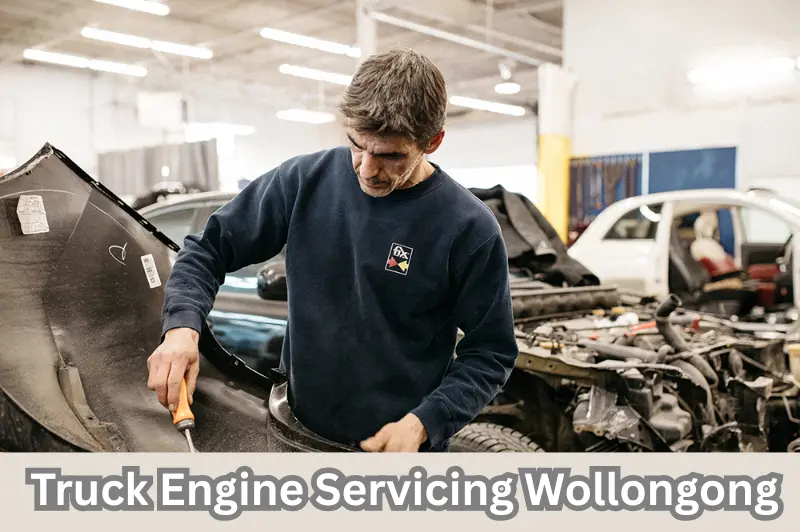
Truck engine servicing Wollongong is essential for keeping commercial vehicles reliable, fuel-efficient, and ready for demanding road conditions. Whether you operate a single truck or manage an entire fleet, regular engine servicing helps prevent expensive repairs, improves performance, and extends engine life.
This guide explains what truck engine servicing involves, why it matters, how often it should be done, common warning signs, and practical maintenance tips. You’ll also learn how to choose a professional service provider in Wollongong and avoid common maintenance mistakes.
Truck Engine Servicing Wollongong is essential for keeping commercial vehicles reliable and operating at peak performance. Regular Truck Engine Servicing Wollongong helps improve fuel efficiency, while Truck Engine Servicing Wollongong also reduces the risk of unexpected breakdowns. Choosing professional Truck Engine Servicing Wollongong ensures your engine receives expert care and quality replacement parts. With routine Truck Engine Servicing Wollongong, businesses can minimize downtime and maximize productivity. Reliable Truck Engine Servicing Wollongong also supports better engine performance and longer vehicle life. Whether you own one truck or an entire fleet, Truck Engine Servicing Wollongong is a smart investment that keeps your vehicles running smoothly. By scheduling Truck Engine Servicing Wollongong at the recommended intervals, you can avoid costly repairs and maintain safe, efficient operation.
Truck Engine Servicing Wollongong is essential for keeping commercial vehicles reliable and operating at peak performance. Regular Truck Engine Servicing Wollongong helps improve fuel efficiency, while Truck Engine Servicing Wollongong also reduces the risk of unexpected breakdowns. Choosing professional Truck Engine Servicing Wollongong ensures your engine receives expert care and quality replacement parts. With routine Truck Engine Servicing Wollongong, businesses can minimize downtime and maximize productivity. Reliable Truck Engine Servicing Wollongong also supports better engine performance and longer vehicle life. Whether you own one truck or an entire fleet, Truck Engine Servicing Wollongong is a smart investment that keeps your vehicles running smoothly. By scheduling Truck Engine Servicing Wollongong at the recommended intervals, you can avoid costly repairs and maintain safe, efficient operation.
What Is Truck Engine Servicing?
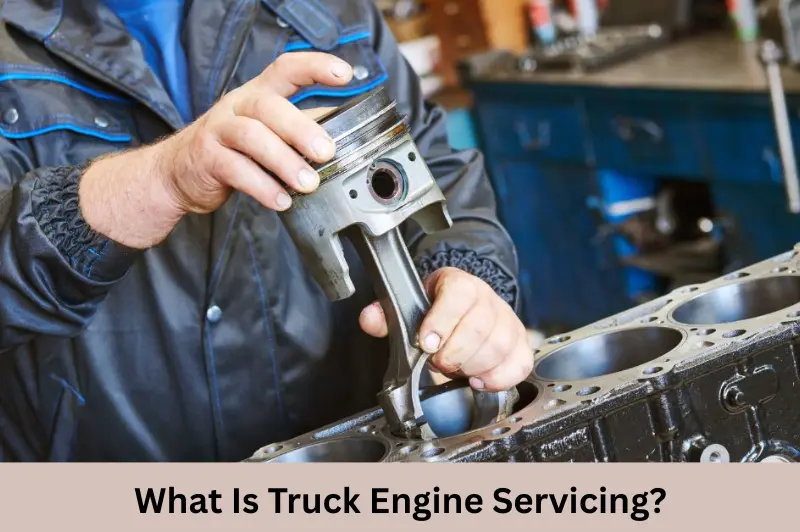
Truck engine servicing is a scheduled maintenance process that keeps a truck’s engine operating safely and efficiently. It involves inspecting, cleaning, adjusting, replacing, and testing critical engine components before small issues become costly breakdowns.
Unlike emergency repairs, routine servicing focuses on prevention. Professional technicians examine the engine’s overall condition and replace worn parts according to the manufacturer’s maintenance schedule.
Typical truck engine servicing includes:
- Engine oil replacement
- Oil filter replacement
- Fuel filter inspection or replacement
- Air filter cleaning or replacement
- Coolant inspection
- Belt and hose inspection
- Battery testing
- Diagnostic scanning
- Turbocharger inspection (where applicable)
- Exhaust system inspection
Regular servicing reduces wear on internal engine components and keeps trucks operating efficiently throughout their service life.
Why Regular Truck Engine Servicing Matters
Routine maintenance is one of the smartest investments for truck owners and fleet operators.
A well-maintained engine performs more efficiently, consumes less fuel, and experiences fewer unexpected failures.
Key benefits include:
- Better fuel economy
- Improved engine performance
- Longer engine lifespan
- Reduced repair costs
- Lower risk of roadside breakdowns
- Improved vehicle reliability
- Better resale value
- Safer driving conditions
For businesses, regular servicing also minimizes vehicle downtime, helping deliveries remain on schedule.
Signs Your Truck Needs Engine Servicing
Ignoring early warning signs often leads to expensive engine repairs.
Watch for these common indicators:
Excessive Smoke
Black, white, or blue exhaust smoke may indicate fuel system problems, oil burning, or coolant leaks.
Reduced Fuel Efficiency
If your truck suddenly uses more fuel than usual, the engine may require servicing.
Engine Warning Light
Modern trucks use onboard diagnostics to detect engine problems. Never ignore dashboard warning lights.
Hard Starting
Difficulty starting the engine may point to battery, fuel injection, or compression issues.
Unusual Engine Noises
Knocking, rattling, or grinding sounds should be inspected immediately.
Loss of Power
Poor acceleration or difficulty climbing hills often indicates engine performance issues.
Oil Leaks
Visible oil underneath the truck usually requires prompt inspection.
How Often Should a Truck Engine Be Serviced?
Service intervals vary depending on several factors, including:
- Manufacturer recommendations
- Distance travelled
- Engine type
- Load weight
- Driving conditions
- Climate
Heavy-duty trucks operating daily generally require more frequent servicing than trucks used occasionally.
Many fleet operators schedule preventative maintenance based on mileage or engine operating hours rather than waiting for problems to appear.
Always follow the maintenance schedule recommended in the vehicle owner’s manual.
What’s Included in Professional Truck Engine Servicing?
Professional workshops perform a comprehensive inspection rather than simply changing the oil.
Engine Oil Replacement
Fresh engine oil lubricates moving components and reduces internal wear.
Old oil becomes contaminated with dirt, soot, and metal particles, reducing engine protection.
Oil Filter Replacement
Replacing the oil filter ensures clean oil circulates throughout the engine.
Air Filter Inspection
A clean air filter improves combustion efficiency and fuel economy.
Blocked filters restrict airflow and reduce engine performance.
Fuel System Inspection
Technicians inspect fuel injectors, filters, and fuel lines for leaks or restrictions.
Cooling System Check
Proper coolant levels help prevent overheating, which can cause severe engine damage.
Belt and Hose Inspection
Worn belts and cracked hoses are replaced before failure occurs.
Battery Testing
Reliable battery performance ensures dependable engine starting.
Diagnostic Scan
Modern trucks contain electronic control systems that store fault codes.
Diagnostic equipment quickly identifies hidden problems.
Benefits of Preventive Engine Maintenance
Preventive servicing costs significantly less than repairing a failed engine.
Advantages include:
- Reduced unexpected downtime
- Better fuel efficiency
- Increased engine reliability
- Lower maintenance costs over time
- Improved emissions performance
- Enhanced driver confidence
- Longer vehicle lifespan
Businesses relying on commercial transport benefit from predictable maintenance schedules rather than emergency repairs.
Preventive Servicing vs Emergency Repairs
| Preventive Servicing | Emergency Repairs |
|---|---|
| Scheduled maintenance | Unexpected breakdown |
| Lower overall costs | High repair expenses |
| Minimal downtime | Extended downtime |
| Better fuel efficiency | Reduced performance |
| Longer engine life | Greater component damage |
| Improves reliability | Can interrupt deliveries |
Preventive maintenance is almost always the more cost-effective approach for commercial vehicles.
Common Causes of Truck Engine Problems
Several factors contribute to premature engine wear.
These include:
- Skipping scheduled servicing
- Poor-quality engine oil
- Dirty air filters
- Low coolant levels
- Fuel contamination
- Engine overheating
- Excessive idling
- Overloading the truck
- Ignoring warning lights
Most serious engine failures begin as relatively minor maintenance issues.
Practical Tips to Extend Truck Engine Life
Following good maintenance habits significantly improves engine longevity.
Consider these best practices:
- Change engine oil on schedule.
- Replace filters regularly.
- Check coolant levels frequently.
- Inspect belts and hoses.
- Monitor dashboard warning lights.
- Warm up the engine appropriately.
- Avoid unnecessary idling.
- Use quality replacement parts.
- Keep maintenance records.
- Schedule regular professional inspections.
These simple habits help reduce long-term operating costs.
How to Choose the Best Truck Engine Servicing Provider in Wollongong
Choosing the right workshop is just as important as servicing your truck regularly. An experienced service provider can identify potential issues early and help you avoid expensive repairs later.
When comparing truck service providers, look for the following:
- Qualified and experienced diesel mechanics
- Modern diagnostic equipment
- Experience servicing heavy-duty trucks
- Transparent pricing and detailed service reports
- High-quality replacement parts and lubricants
- Positive customer reviews and industry reputation
- Fleet maintenance options if you operate multiple vehicles
- Clear warranty on workmanship and parts
A reputable workshop will explain the work performed and recommend only the repairs that are genuinely needed.
Common Mistakes Truck Owners Should Avoid
Many engine problems develop because routine maintenance is delayed or ignored. Avoiding these common mistakes can save significant time and money.
Some of the most common mistakes include:
- Ignoring dashboard warning lights
- Delaying oil and filter changes
- Using incorrect engine oil
- Driving with low coolant levels
- Skipping scheduled inspections
- Overloading the truck beyond its rated capacity
- Neglecting unusual engine noises or vibrations
- Choosing repairs based solely on the lowest price
Preventive maintenance is almost always more affordable than major engine repairs.
Truck Engine Servicing Checklist
Use this simple checklist to help keep your truck in excellent condition.
Before Every Trip
- Check engine oil level
- Inspect coolant level
- Check for visible leaks
- Inspect belts and hoses
- Listen for unusual engine sounds
- Verify dashboard warning lights are off
Monthly
- Inspect the battery terminals
- Check air filter condition
- Inspect fuel system for leaks
- Examine exhaust components
- Review maintenance records
Scheduled Service
- Replace engine oil
- Replace oil filter
- Replace fuel filter if required
- Inspect turbocharger
- Perform electronic diagnostics
- Check cooling system
- Inspect drive belts
- Test battery performance
Following a structured maintenance schedule helps reduce the likelihood of unexpected breakdowns.
Internal Resources
To learn more about heavy vehicle maintenance, explore our Truck Maintenance Guide, Fleet Maintenance Services, and Truck Brake Repair Guide. For additional information on heavy vehicle maintenance standards and safety, visit the National Heavy Vehicle Regulator (NHVR).
Frequently Asked Questions
1. How often should truck engine servicing be carried out?
The ideal servicing interval depends on the truck manufacturer, operating conditions, engine type, and mileage. Trucks operating under heavy loads or in demanding environments generally require more frequent servicing than lightly used vehicles. Always follow the manufacturer’s recommended maintenance schedule.
2. What happens if regular truck engine servicing is skipped?
Skipping scheduled servicing allows small maintenance issues to become serious mechanical failures. Dirty engine oil, clogged filters, overheating, and worn components can significantly reduce engine life while increasing fuel consumption and repair costs.
3. Does regular servicing improve fuel efficiency?
Yes. Clean filters, fresh engine oil, properly functioning injectors, and a well-maintained cooling system help the engine operate more efficiently. This often results in smoother performance and better fuel economy over time.
4. Is truck engine servicing different from a standard vehicle service?
Yes. Heavy-duty truck engines operate under much greater loads than passenger vehicles. They require specialised inspections, heavy-duty lubricants, commercial-grade diagnostic equipment, and maintenance procedures designed specifically for diesel engines and commercial transport.
5. Can preventative maintenance reduce repair costs?
Absolutely. Preventative maintenance identifies worn or damaged components before they fail completely. Replacing inexpensive parts during routine servicing is usually far more affordable than repairing major engine damage caused by neglected maintenance.
Conclusion
Regular truck engine servicing Wollongong is one of the most effective ways to improve vehicle reliability, extend engine life, and reduce long-term operating costs. Routine maintenance helps identify developing issues before they become expensive repairs while also improving fuel efficiency and overall performance.
Whether you own a single truck or manage an entire fleet, following a preventative maintenance schedule and choosing an experienced servicing provider can keep your vehicles operating safely and efficiently for years to come.
