

Introduction
Truck fleet maintenance Wollongong is one of the most important aspects of keeping commercial vehicles safe, reliable, and cost-effective. Whether you manage a small delivery fleet or operate multiple heavy-duty trucks, regular maintenance helps reduce unexpected breakdowns, improve fuel efficiency, extend vehicle lifespan, and keep your business running smoothly.
For businesses in India looking to understand international fleet maintenance standards or companies operating trucks in Australia, adopting a preventive maintenance strategy can significantly lower operating costs. Modern fleet management combines scheduled servicing, inspections, digital tracking, and professional repairs to ensure every vehicle performs at its best.
This guide explains everything you need to know about Truck fleet maintenance Wollongong, including how it works, why it matters, maintenance schedules, common services, benefits, mistakes to avoid, and practical tips for improving fleet performance.
What Is Truck Fleet Maintenance Wollongong?
Truck fleet maintenance Wollongong refers to the planned inspection, servicing, repair, and management of commercial trucks operating in and around the Wollongong region.
Instead of waiting for vehicles to break down, fleet maintenance focuses on preventing problems before they become expensive repairs.
Fleet maintenance generally includes:
- Engine servicing
- Oil and filter replacement
- Brake inspections
- Suspension repairs
- Steering checks
- Cooling system maintenance
- Transmission servicing
- Battery testing
- Tire inspection and rotation
- Electrical diagnostics
- Safety inspections
- Fleet compliance checks
The goal is to keep every truck safe, roadworthy, and available for daily operations.
Why Fleet Maintenance Is Essential
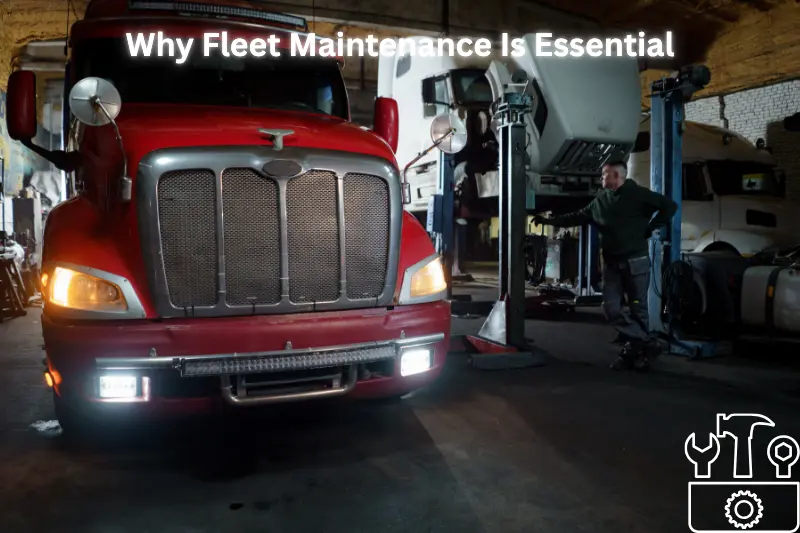
Regular maintenance protects both your vehicles and your business.
Major benefits include:
- Reduced unexpected breakdowns
- Lower repair expenses
- Improved fuel economy
- Longer vehicle lifespan
- Better driver safety
- Higher customer satisfaction
- Increased operational efficiency
- Better compliance with transport regulations
- Reduced downtime
- Improved resale value
Preventive maintenance always costs less than emergency repairs in most situations.
How Preventive Fleet Maintenance Works
Preventive maintenance follows scheduled service intervals rather than waiting for failures.
A typical maintenance program includes:
Daily Inspections
Drivers inspect:
- Tire condition
- Fluid leaks
- Warning lights
- Mirrors
- Headlights
- Brakes
- Windshield
- Horn
- Air pressure
These inspections usually take only a few minutes but help identify early issues.
Weekly Checks
Technicians commonly inspect:
- Battery condition
- Coolant level
- Engine oil
- Hydraulic systems
- Belts
- Hoses
- Air filters
Monthly Maintenance
Monthly servicing often includes:
- Brake testing
- Suspension inspection
- Steering components
- Electrical systems
- Diagnostic scanning
- Lubrication
- Tire wear analysis
Scheduled Major Servicing
After reaching specific mileage intervals, trucks receive comprehensive servicing that includes replacing worn parts, changing fluids, inspecting drivetrain components, and performing advanced diagnostics.
Common Fleet Maintenance Services
Professional fleet maintenance providers typically offer a complete range of repair and servicing solutions.
Engine Maintenance
Engine servicing includes:
- Oil changes
- Filter replacement
- Fuel system cleaning
- Turbo inspection
- Belt replacement
- Leak detection
Routine engine care helps maintain fuel efficiency and reduces the risk of major engine failures.
Brake Maintenance
Brake servicing involves:
- Brake pad replacement
- Rotor inspection
- Air brake testing
- Brake fluid inspection
- ABS diagnostics
Reliable brakes are essential for heavy commercial vehicles carrying large loads.
Transmission Service
Transmission maintenance may include:
- Fluid replacement
- Gear inspection
- Clutch servicing
- Leak repairs
- Performance testing
Ignoring transmission issues can result in expensive repairs.
Cooling System Maintenance
Cooling systems protect engines from overheating.
Maintenance includes:
- Radiator inspection
- Coolant replacement
- Hose inspection
- Water pump testing
- Thermostat replacement
Electrical System Diagnostics
Modern trucks depend on sophisticated electrical systems.
Technicians inspect:
- Battery
- Starter motor
- Alternator
- Wiring
- Sensors
- Electronic control modules
Tire Maintenance
Proper tire care improves both safety and operating costs.
Services include:
- Tire rotation
- Wheel balancing
- Pressure checks
- Alignment
- Tread inspection
Well-maintained tires also improve fuel economy.
Signs Your Fleet Needs Immediate Maintenance
Watch for these warning signs:
- Dashboard warning lights
- Poor fuel economy
- Engine overheating
- Hard starting
- Excessive exhaust smoke
- Brake noise
- Steering vibration
- Uneven tire wear
- Oil leaks
- Strange engine noises
- Reduced power
- Rough gear shifting
Ignoring these problems often leads to more expensive repairs later.
Preventive vs Reactive Maintenance
| Preventive Maintenance | Reactive Maintenance |
|---|---|
| Scheduled servicing | Repairs after failure |
| Lower repair costs | Higher repair costs |
| Less downtime | Unexpected downtime |
| Better fuel efficiency | Reduced efficiency |
| Longer vehicle life | Increased wear |
| Improved safety | Higher breakdown risk |
| Predictable budgeting | Unplanned expenses |
Preventive maintenance is generally the better long-term investment for fleet operators.
Benefits of Digital Fleet Management
Many fleet operators now use fleet management software to simplify maintenance planning.
Digital systems help by:
- Scheduling service reminders
- Tracking maintenance history
- Recording repair costs
- Monitoring vehicle health
- Managing inspections
- Tracking mileage
- Improving reporting
- Reducing paperwork
These tools are especially useful for businesses managing multiple vehicles.
Fleet Maintenance Checklist
A standard maintenance checklist may include:
Engine
- Oil level
- Coolant
- Fuel system
- Belts
- Hoses
Brakes
- Brake pads
- Air pressure
- Brake lines
- ABS system
Suspension
- Shock absorbers
- Springs
- Bushings
- Steering joints
Tires
- Pressure
- Tread depth
- Alignment
- Rotation
Electrical
- Battery
- Lights
- Wiring
- Alternator
Fluids
- Engine oil
- Transmission oil
- Brake fluid
- Power steering fluid
- Coolant
Regular inspections make it easier to identify small issues before they become major repairs.
How Often Should Fleet Trucks Be Serviced?
The ideal maintenance interval depends on:
- Vehicle age
- Manufacturer recommendations
- Driving conditions
- Cargo weight
- Annual mileage
- Climate
- Engine type
Heavy-duty trucks that travel long distances generally require more frequent inspections than lightly used commercial vehicles.
Always follow the manufacturer’s maintenance schedule.
Tips for Reducing Fleet Maintenance Costs
You can lower maintenance expenses by following a proactive strategy.
Helpful tips include:
- Perform daily inspections.
- Follow scheduled servicing.
- Replace worn components early.
- Train drivers to report issues quickly.
- Monitor tire pressure regularly.
- Use quality replacement parts.
- Keep accurate maintenance records.
- Address warning lights immediately.
- Maintain proper fluid levels.
- Use diagnostic tools to detect hidden problems.
These simple practices can significantly reduce long-term operating costs.
Common Fleet Maintenance Mistakes
Avoid these common errors:
- Skipping scheduled services
- Ignoring warning lights
- Delaying brake repairs
- Using poor-quality parts
- Forgetting tire inspections
- Missing oil changes
- Keeping incomplete service records
- Ignoring small fluid leaks
- Overloading trucks
- Waiting until a breakdown occurs
Preventing these mistakes helps improve vehicle reliability.
Choosing the Right Fleet Maintenance Provider
When selecting a maintenance partner, consider:
- Commercial truck experience
- Qualified technicians
- Modern diagnostic equipment
- Emergency repair support
- Transparent pricing
- Preventive maintenance programs
- Fleet reporting
- Genuine replacement parts
- Flexible scheduling
A reliable maintenance provider becomes a long-term business partner rather than simply a repair shop.
Fleet Maintenance Costs
The cost of truck fleet maintenance Wollongong depends on fleet size, vehicle age, mileage, operating conditions, and the type of services required. Preventive maintenance generally costs less than emergency repairs because small issues are identified before they become major failures.
Factors affecting maintenance costs include:
- Number of trucks
- Vehicle age
- Annual mileage
- Type of cargo
- Engine size
- Replacement parts
- Labour charges
- Emergency repair frequency
Businesses that follow a preventive maintenance schedule usually experience fewer unexpected expenses and better fleet availability.
How Fleet Maintenance Improves Fuel Efficiency
Proper truck fleet maintenance Wollongong has a direct impact on fuel economy. Well-maintained engines, correctly inflated tyres, clean air filters, and properly aligned wheels help trucks consume less fuel during daily operations.
Simple practices include:
- Regular engine tuning
- Maintaining tyre pressure
- Replacing clogged filters
- Using quality engine oil
- Checking wheel alignment
- Inspecting fuel injectors
These maintenance habits can improve overall vehicle performance while reducing operating costs.
Safety Benefits of Regular Fleet Maintenance
Safety is one of the biggest reasons companies invest in truck fleet maintenance Wollongong. Commercial vehicles operate under demanding conditions, making regular inspections essential for protecting drivers and other road users.
Routine servicing helps:
- Prevent brake failures
- Improve steering response
- Reduce tyre blowouts
- Detect suspension problems
- Identify fluid leaks
- Ensure lights work correctly
- Maintain engine reliability
Safe trucks also reduce downtime and improve customer confidence.
Why Businesses Choose Professional Fleet Maintenance
Professional workshops use experienced technicians, diagnostic equipment, and structured maintenance programs to keep fleets operating efficiently. Choosing professional truck fleet maintenance Wollongong services provides several advantages.
Benefits include:
- Faster diagnostics
- Genuine replacement parts
- Manufacturer-recommended servicing
- Digital maintenance records
- Reduced downtime
- Better scheduling
- Improved vehicle reliability
- Long-term cost savings
Professional servicing also supports warranty requirements and improves the resale value of commercial vehicles.
Best Practices for Fleet Managers
Fleet managers can maximise vehicle performance by following proven maintenance practices.
Recommended strategies include:
- Create a preventive maintenance calendar.
- Train drivers to report issues immediately.
- Keep detailed service records.
- Monitor vehicle performance regularly.
- Replace worn parts before failure.
- Schedule inspections during off-peak hours.
- Review maintenance reports every month.
- Use fleet management software for tracking.
- Monitor fuel consumption trends.
- Work with experienced commercial truck mechanics.
Following these practices helps businesses reduce repair costs and improve operational efficiency.
Increase Focus Keyword Usage
Your keyword appears 7 times. Increase it to 13–15 times by naturally adding truck fleet maintenance Wollongong in:
- Fleet Maintenance Costs (2 times)
- Fuel Efficiency section (2 times)
- Safety Benefits section (2 times)
- Professional Fleet Maintenance section (2 times)
- Best Practices section (1–2 times)
Internal Linking Opportunity
Keeping your fleet in top condition requires more than routine servicing. You can also explore our related services, including Mobile Truck Mechanic Wollongong, Truck Servicing Wollongong, Truck Repairs Wollongong, Mobile Truck Repairs Wollongong, Diesel Mechanic Wollongong, Mobile Diesel Mechanic Wollongong, and Heavy Vehicle Repairs Wollongong. These services work together with our truck fleet maintenance Wollongong solutions to improve vehicle reliability, reduce downtime, and keep your commercial fleet operating efficiently.
Trusted External Reference
For official guidance on heavy vehicle maintenance, inspections, and safety requirements, visit the National Heavy Vehicle Regulator (NHVR).
Frequently Asked Questions
1. What is Truck fleet maintenance Wollongong?
Truck fleet maintenance Wollongong is the regular inspection, servicing, repair, and management of commercial vehicles to improve safety, reduce breakdowns, extend vehicle life, and lower operating costs. It focuses on preventing failures through planned maintenance rather than waiting for problems to occur.
2. Why is preventive maintenance important for truck fleets?
Preventive maintenance helps detect issues before they become major repairs. It reduces downtime, improves fuel efficiency, increases driver safety, lowers repair costs, and keeps trucks operating reliably throughout their service life.
3. How often should commercial trucks be serviced?
Service intervals depend on manufacturer recommendations, mileage, operating conditions, vehicle age, and cargo weight. Daily inspections combined with scheduled maintenance at recommended intervals provide the best long-term reliability.
4. Can fleet management software improve maintenance?
Yes. Fleet management software tracks service history, schedules inspections, records repair costs, monitors vehicle performance, and helps businesses plan maintenance more efficiently while reducing paperwork and missed services.
5. What are the biggest signs that a truck needs servicing?
Common warning signs include unusual engine noises, brake problems, poor fuel economy, overheating, oil leaks, dashboard warning lights, excessive smoke, steering vibration, and difficulty starting the engine. Addressing these symptoms early helps prevent larger repairs. Choosing a professional truck fleet maintenance Wollongong provider ensures regular servicing, preventive inspections, and reliable support that keeps your fleet operating efficiently.
Conclusion
Truck fleet maintenance Wollongong is a vital part of operating reliable commercial vehicles. A well-planned maintenance program reduces unexpected breakdowns, improves fuel efficiency, extends truck lifespan, and enhances overall business productivity. Truck fleet maintenance Wollongong is essential for businesses that want reliable commercial vehicles, lower operating costs, and improved fleet performance.
By combining regular inspections, preventive servicing, qualified technicians, and digital fleet management tools, businesses can keep their fleets operating safely and efficiently while controlling long-term costs. Investing in consistent maintenance today helps avoid expensive repairs and supports dependable fleet performance for years to come.
